


Quick answer:
Choose a hotel lock system by matching four things to your property: access technology (RFID, Bluetooth, or hybrid), PMS and management software integration, the certifications your market requires (EN, UL, CE, FCC, RoHS, UKCA), and door compatibility. New builds favor fully integrated systems; retrofits favor easy-swap standalone locks.
A hotel lock does far more than open a door. It shapes the first impression a guest forms at check-in, protects their safety during the stay, and ties directly into the software that runs your property. Specify the wrong hotel lock system and you risk failed inspections, security gaps, and costly replacements down the line.
This guide walks hospitality buyers, hotel owners, procurement teams, and system integrators through every factor that matters when sourcing locks for new builds, renovations, and retrofits. As a manufacturer offering both RFID and Bluetooth hotel locks backed by international certifications, Smartek has helped properties worldwide match hardware to their real operational needs.
Here's what you'll learn:
How to choose between RFID and Bluetooth access
How locks connect to your PMS and management software
Which certifications and compliance marks your market requires
How to match locks to your doors and project type
Table of Contents
Why Your Hotel Lock System Choice Matters
The lock touches every guest stay and every audit. A smooth, contactless entry sets a positive tone before a guest even reaches the room. A clunky one creates friction at the front desk and frustration in the hallway.
Beyond guest experience, your lock choice affects security, staff workflow, and operating costs. The right system lets housekeeping, maintenance, and management access rooms through clear permission levels. The wrong one leaves security gaps, generates manual work, and racks up replacement expenses.
Compliance is the other half of the equation. A lock that lacks the correct fire or market certifications can fail a safety inspection, block an import shipment, or even void your insurance. Getting the specification right protects both revenue and reputation.
Mini takeaway: Specify the system around your operations, not just the door.
Start With Your Access Technology: RFID vs Bluetooth
Access technology is your first decision point. It determines how guests and staff enter rooms, how you issue credentials, and how future-proof your install will be. Three approaches dominate the market.
RFID hotel locks (key cards and wristbands)
RFID stands for radio-frequency identification—a contactless technology where a card or wristband communicates with the lock when held close. RFID is the long-standing hospitality standard for good reason: it's reliable, simple for guests to use, and easy for staff to manage.
A hotel RFID lock works well for properties of every size, from boutique hotels to large resorts. Cards are cheap to replace, wristbands suit pools and spas, and the system performs consistently without depending on a guest's smartphone.
Bluetooth hotel locks (mobile keys)
Bluetooth hotel locks use BLE (Bluetooth Low Energy), a wireless standard that lets a guest's phone act as a room key. After a contactless check-in, the guest unlocks the door straight from a mobile app—no front-desk visit required.
A Bluetooth hotel lock appeals strongly to tech-forward travelers and properties focused on streamlined arrivals. Many Smartek Bluetooth models run on TTLock software, giving you mobile credential management out of the box.
Hybrid systems (card + mobile)
Many properties choose locks that support both RFID cards and mobile keys. A hybrid setup future-proofs your install: guests who prefer a physical card get one, while those who want mobile access can skip the desk entirely. If you're unsure which direction your guests will trend, a hybrid system hedges your bet.
Soft CTA: Ask your supplier whether RFID, Bluetooth, or a hybrid system best fits your property's guest profile and budget.
Match Credentials to Your Guest Experience
Credentials are simply the "keys" guests and staff use to open a door. Your choice of credentials shapes both guest convenience and front-desk workflow.
Common options include:
Key cards — the familiar hospitality standard, cheap and easy to reissue
Wristbands — ideal for pools, spas, and all-inclusive resorts
Mobile keys — contactless entry through a smartphone app
PIN codes — useful for staff areas and short stays
Physical key override — a mechanical backup for emergencies and power loss
Contactless and mobile credentials match what modern guests now expect. Offering the right mix reduces front-desk queues and trims the ongoing cost of lost or demagnetized cards.
Software and PMS Integration
A lock is only as good as the software behind it. Strong software turns a collection of locks into a manageable, auditable access system.
Lock management software
Lock management software lets staff issue, audit, and revoke access from one place. You can create a card for a new guest, set staff permission levels, and instantly cancel a lost credential. Smartek locks work with established platforms like TTLock and Tuya, giving teams centralized control over every door.
PMS integration
A PMS (property management system) is the software that runs reservations, check-in, and checkout. When your locks integrate with the PMS, room access syncs automatically with each booking—a key activates at check-in and expires at checkout without manual steps.
This integration cuts repetitive front-desk work and tightens security tracking. A solid hospitality access solution ties locks, credentials, and the PMS into one connected workflow.
So what: Confirm integration with your existing or planned PMS before you buy. A lock that can't talk to your software will create manual work for years.
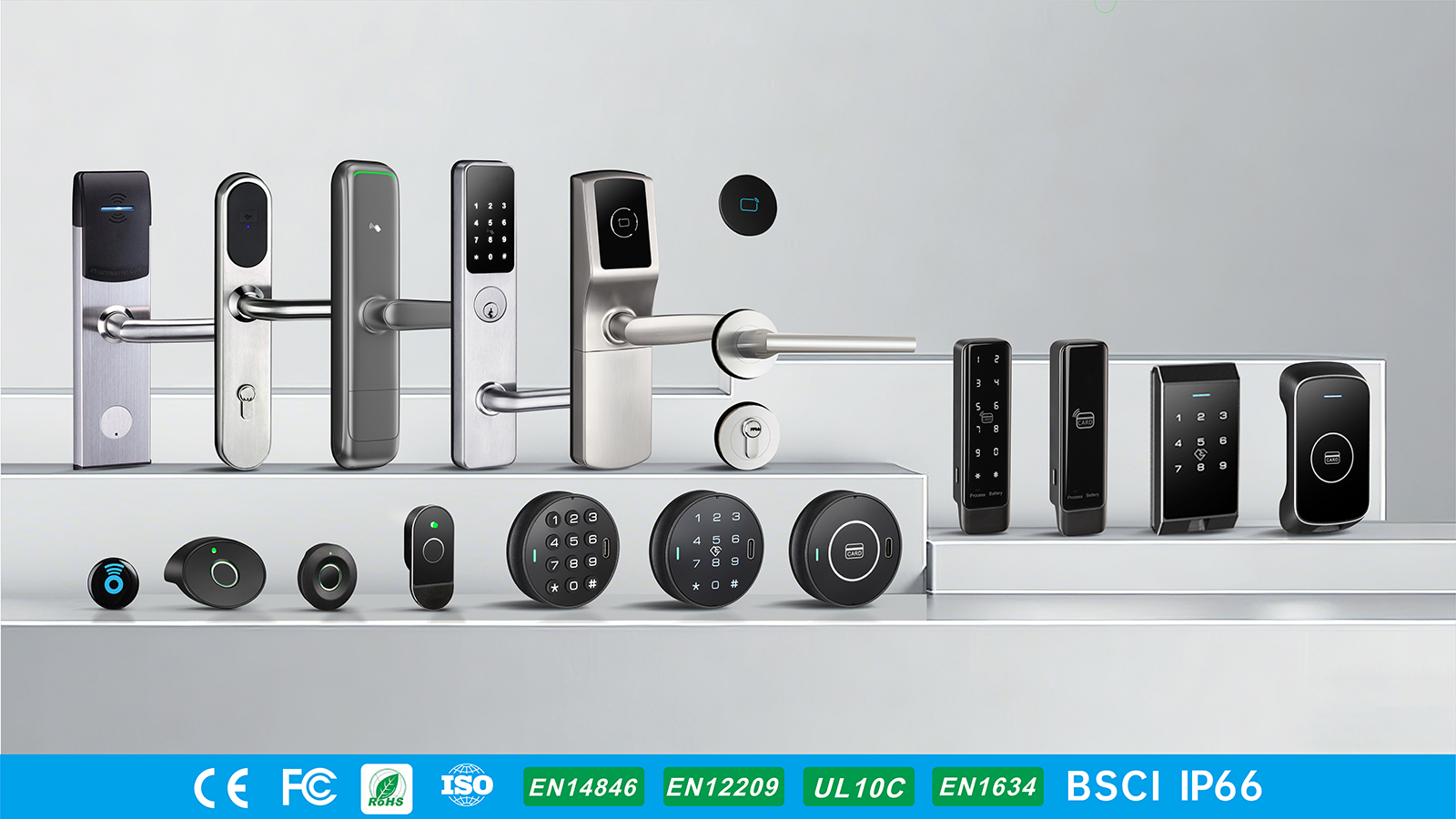
Certifications and Compliance You Should Verify
Certifications prove a lock is safe and legal to sell in your market. Always request documentation rather than taking claims at face value.
Fire and functional safety standards
EN1634-1 — tests how long a door assembly resists fire. Fire-rated guest room doors typically need locks proven to withstand high heat for 30 to 60 minutes.
EN14846 — measures the performance and durability of electromechanical locks.
EN12209 — covers the mechanical performance of locks, including strength and wear.
UL10C — the North American fire door test, requiring locks to endure sustained fire exposure.
Market compliance marks
CE — confirms a product meets European Union health and safety rules.
FCC — required in the United States for devices that emit radio frequencies, including RFID and Bluetooth locks.
RoHS — restricts hazardous substances like lead in electronics.
UKCA — the United Kingdom's post-Brexit equivalent of CE marking.
Manufacturing quality systems
ISO 9001 — an international quality management standard that signals consistent production. Smartek holds ISO 9001-2015 certification.
BSCI — a social compliance standard confirming ethical labor practices in the supply chain.
So what: Missing certifications can block imports, fail inspections, or void insurance. Match every certificate to the country where the property operates.


Fire Safety and Waterproofing Requirements
Fire-rated guest room doors demand locks that won't fail under heat. A lock that isn't fire-tested can compromise an entire fire door assembly, putting guests at risk and the property out of compliance. Confirm each lock's fire rating against your door schedule.
Waterproofing matters in specific spots. Pool gates, exterior entries, and rooms in humid climates need locks with a verified waterproof or weather-resistant rating. Smartek's waterproof lock range is built for these demanding spots.
So what: Matching fire and waterproof ratings to each door's function keeps the property both safe and compliant.
Door Type and Hardware Compatibility
The lock must match the door—not the other way around. A mismatch here causes install delays and on-site modifications that blow out timelines.
Before specifying, check these factors:
Door thickness — locks are built for set thickness ranges
Door material — wood, metal, and glass each call for different mounting
Mortise standard — ANSI mortise (common in North America) versus Europe mortise
Fire rating — must match the door's required rating
Handing and finish — left or right swing, plus the finish that suits your interior
A modular cylinder design and a high-cycle mortise add longevity. Smartek mortise latches and deadbolts use 304 stainless steel and pass life-cycle testing of over 300,000 cycles, which suits the heavy daily use of guest room doors.
So what: A door-to-lock mismatch is one of the most common causes of installation delays—catch it during specification.
New-Build vs Retrofit Projects
Your project type shapes which locks make sense, how much wiring you need, and how long rollout takes.
New-build projects
New builds let you plan the full system from scratch—wiring, PMS design, and access logic all designed together. You gain the freedom to specify fully integrated locks and a unified software platform without working around existing hardware.
Retrofit and renovation
Retrofits replace existing locks with as little disruption as possible. Standalone, battery-powered locks that swap into existing door prep are usually the smart choice, since they avoid major wiring work and let you upgrade rooms in phases.
So what: Retrofits favor standalone, easy-swap locks; new builds allow fully integrated systems planned end to end.
How to Choose the Right Hotel Lock System (Quick Checklist)
Run through this checklist before you commit:
RFID, Bluetooth, or hybrid access?
Which credentials does your guest experience need?
Does it integrate with your PMS and management software?
Which certifications does your market require (EN, UL, CE, FCC, RoHS, UKCA)?
Are fire and waterproof ratings matched to each door?
Does the lock fit your door type and mortise standard?
Is this a new build or a retrofit?
Does the manufacturer hold ISO 9001 and BSCI?
If you can answer all eight with confidence, you're ready to source. If not, those gaps are exactly where a knowledgeable supplier should help.
Common Hotel Lock Buying Mistakes to Avoid
Even experienced buyers slip up. Watch for these traps:
Choosing locks before confirming PMS compatibility — leads to permanent manual workarounds.
Overlooking fire and market certifications for the target country—risking failed inspections and blocked imports.
Ignoring door type and mortise standard during specification—causing field modifications and delays.
Underestimating retrofit constraints on older doors—what fits a new door may not fit an existing one.
Selecting a supplier without verified quality systems—skipping ISO 9001 and BSCI checks invites inconsistent quality.
Frequently Asked Questions
How do I choose between an RFID and a Bluetooth hotel lock system?
Choose an RFID system if you want proven reliability, low-cost credentials, and a setup that doesn't depend on guests' phones—it's the hospitality standard. Choose a Bluetooth system if mobile keys and contactless check-in matter most to your guests. Many properties pick a hybrid lock that supports both. Compare the hotel RFID lock and Bluetooth hotel lock options to see which fits your guest profile.
Does a hotel lock system need to integrate with my PMS?
For most hotels, yes. PMS integration syncs room access with check-in and checkout, so a credential activates and expires automatically with each booking. This reduces manual front-desk work and improves security tracking. Standalone locks can work for very small properties, but any hotel running a PMS should confirm lock compatibility before buying.
Which certifications should a hotel lock have?
Look for safety certifications like EN14846 and EN12209 (lock performance), EN1634-1 (fire resistance), and UL10C (North American fire testing). For market access, verify CE for Europe, FCC for the United States, RoHS for hazardous-substance limits, and UKCA for the United Kingdom. Quality systems like ISO 9001 and BSCI signal a trustworthy manufacturer.
Do hotel locks need to be fire-rated and waterproof?
Guest room doors that are fire-rated require locks certified to standards like EN1634-1 or UL10C, since the lock is part of the fire door assembly. Waterproof or weather-resistant ratings matter for exterior entries, pool gates, and humid climates. Match each lock's rating to the function of its door.
Will a new hotel lock system fit my existing doors?
It depends on your door thickness, material, mortise standard (ANSI versus Europe), and handing. For retrofits, choose locks designed to fit existing door prep with minimal modification. Sharing your door specifications with a manufacturer before ordering avoids costly field adjustments.
What should I look for in a hotel lock manufacturer?
Look for verified quality systems such as ISO 9001 and BSCI, complete fire and market certifications for your region, and PMS-ready software like TTLock or Tuya. A reliable manufacturer offers both RFID and Bluetooth options, durable hardware (such as 304 stainless steel mortises with high-cycle testing), and responsive technical support throughout installation and beyond.
Your Next Step Toward the Right Hotel Lock System
The right hotel lock system comes down to seven things working together: access technology, credentials, software, certifications, fire and waterproof ratings, door fit, and project type. Get each one right and your locks will protect guests, simplify daily operations, and pass every audit.
This decision matters most for hotel owners, procurement teams, integrators, and specifiers who carry the cost of getting it wrong. The good news is that a clear specification removes most of the risk.
Ready for a tailored recommendation? Share your property size, door types, and PMS with the Smartek team, or explore our hotel lock solution and hospitality access solution pages to see how certified RFID and Bluetooth locks fit your project.
FAQ
What materials do you use for your cabinets?
We offer a variety of high-quality materials for our cabinets, including solid wood, MDF, plywood, and laminate. Each material is carefully selected for its durability, aesthetic appeal, and suitability for different applications. Our team can help you choose the best material based on your specific needs and preferences.
Can I customize the size and design of my cabinets?
What is the typical lead time for custom cabinets?
How do I care for and maintain my new cabinets?
Do you offer installation services for your cabinets?
-
 Choose a hotel lock system by matching four things to your property: access technology (RFID, Bluetooth, or hybrid), PMS and management software integration, the certifications your market requires (EN, UL, CE, FCC, RoHS, UKCA), and door compatibility. New builds favor fully integrated
 -
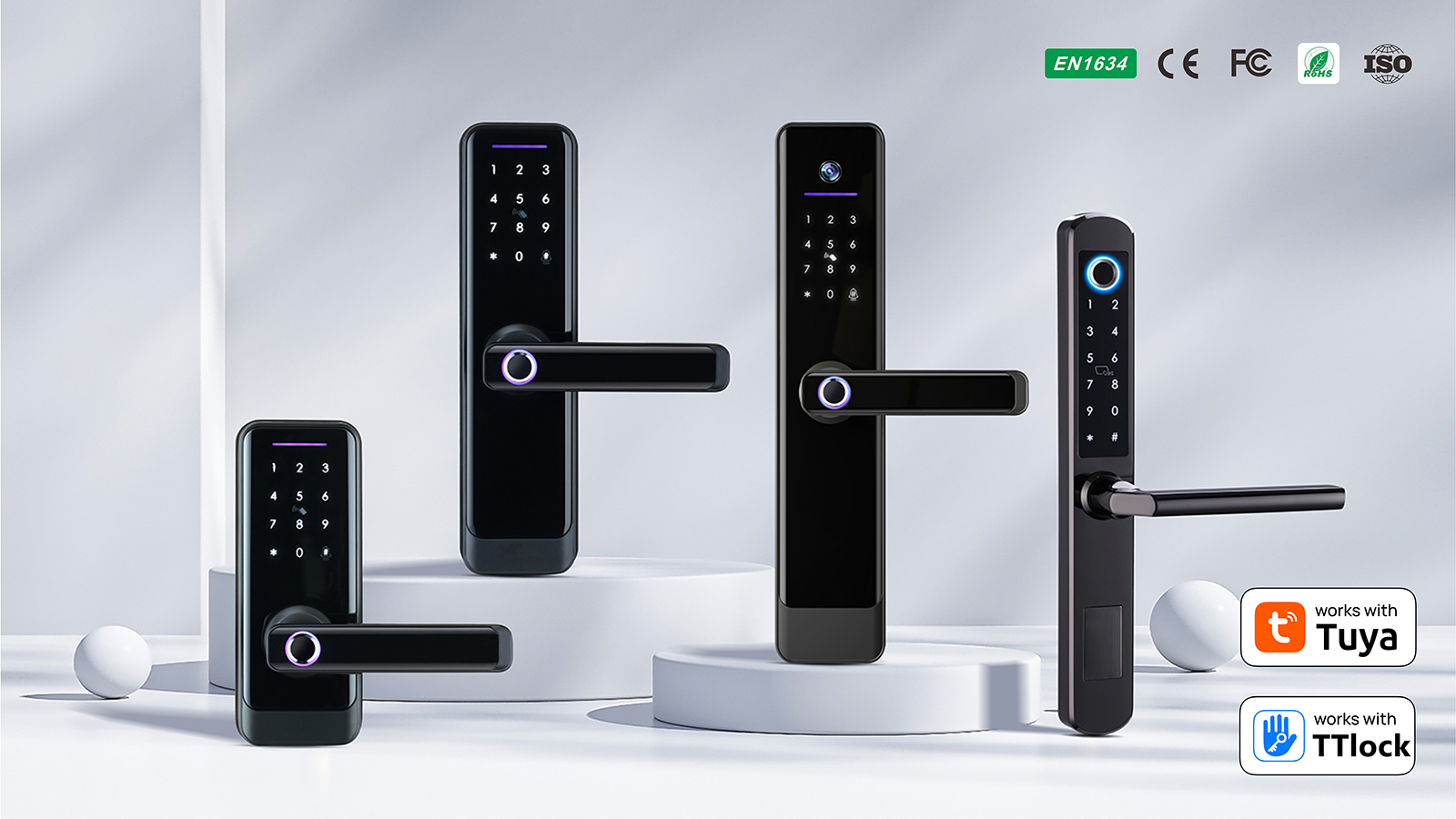 Tuya Smart Lock integration supports three primary communication protocols—Wi-Fi, Zigbee, and Bluetooth—and connects to commercial systems via the Tuya IoT Platform API. Developers can manage locks centrally, trigger automation scenes, and link to hotel PMS systems using standardized OAuth 2.
 -
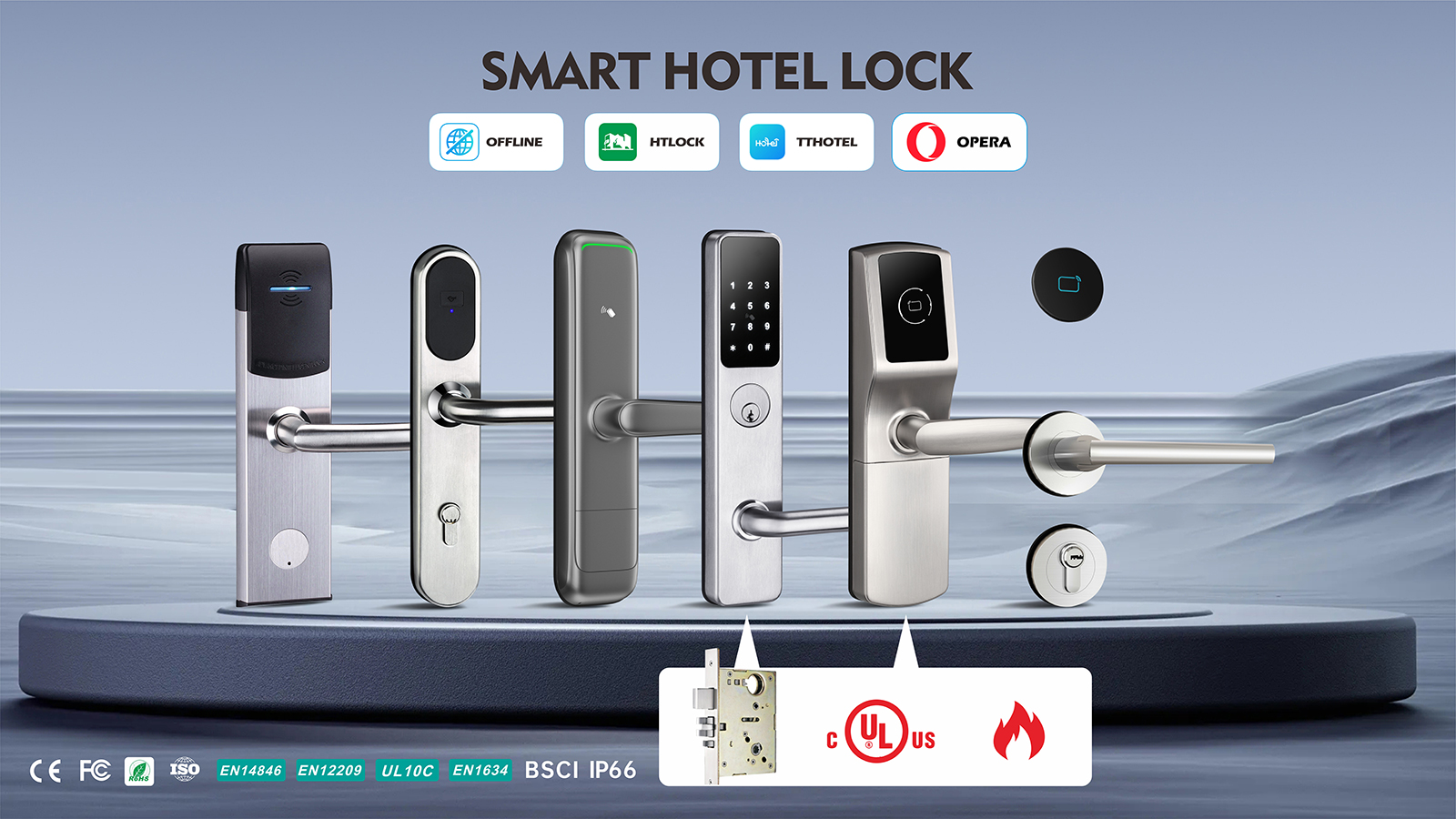 Quick answer: To successfully enter the United States market, smart lock enterprises must navigate strict localization and compliance standards. The two most critical American smart lock certification requirements are the UL10C fire resistance test, which demands locks withstand three hours of fire


