


Pick the wrong lock technology for your property, and you'll feel it every day—at the front desk, in your maintenance budget, and in your guest reviews. A hotel that buys mobile-key locks without the network to support them ends up with frustrated guests. A property that sticks with key cards when guests expect contactless check-in looks dated fast. The two technologies look interchangeable in a brochure. In daily operation, they behave very differently.
This article is the second in our hotel lock series, following our guide on choosing a hotel lock system. Here, we settle the question buyers ask most: hotel RFID lock vs Bluetooth hotel lock—which one is better? The honest answer is "it depends on your property"—but by the end of this post, you'll know exactly what it depends on. You'll learn:
How RFID hotel locks work and where they shine
How Bluetooth hotel locks work and what mobile keys add
A side-by-side comparison of both technologies
When to choose RFID, Bluetooth, or a hybrid system
The specs and certifications to verify before you buy
Let's break down the real difference.
Table of Contents
How Hotel RFID Locks Work
An RFID hotel lock opens when a guest holds a key card or wristband near the reader. The card carries a small chip; the lock reads it wirelessly over a short distance—usually a few centimeters. No battery sits inside the card, no app, no phone. Tap and enter.
RFID has been the hospitality standard for years, and for good reason. It's proven, simple for guests of every age, and fast at the door. Front-desk staff encode a card at check-in, set its valid dates, and hand it over. When the guest checks out, the card expires or gets reissued to the next guest.
Key cards and wristbands
Most properties issue plastic key cards, but RFID also supports wristbands—popular at resorts, water parks, and spa hotels where guests don't want to carry a wallet. Both use the same reader, so a single lock can support multiple credential formats.
PMS integration
The real power of RFID shows up in the back office. When your locks connect to a property management system (PMS), check-in and checkout sync automatically with room access. Reception encodes a card, the system logs it, and housekeeping or maintenance staff carry their own credentials with defined access rights. Every entry can be audited—useful for security investigations and staff accountability.
Where RFID fits best
High-volume properties needing fast, reliable check-in
Guests of all ages and tech comfort levels
Resorts and spas using wristbands
Properties that want a proven, offline-capable standard
The takeaway: RFID is the dependable workhorse. It works for everyone, doesn't rely on a guest's phone, and integrates cleanly with hotel software.

How Bluetooth Hotel Locks Work
A Bluetooth hotel lock uses BLE (Bluetooth Low Energy) to communicate with a guest's smartphone. The guest receives a mobile key—a digital credential sent to an app—and unlocks the door by tapping their phone near the lock. The lock and phone pair over a short Bluetooth range, then the credential is verified and the door opens.
This is the technology behind contactless check-in. A guest can book, receive their mobile key, skip the front desk entirely, and walk straight to their room. For business travelers and tech-forward properties, that convenience is a real differentiator.
Mobile keys and apps
Bluetooth locks typically run on established platforms like TTLock or Tuya. These apps let property managers issue, schedule, and revoke mobile keys remotely. Need to give a contractor two hours of access tomorrow morning? Send a time-limited digital key from your phone. Need to cut off access immediately? Revoke it in seconds—no card to collect.
Contactless check-in and guest experience
The guest experience is where Bluetooth earns its place. No queue at reception, no lost card, no trip back to the desk when a card demagnetizes. For apartment-style hotels, serviced apartments, and properties with limited front-desk hours, mobile access reduces staffing pressure while improving convenience.
Where Bluetooth fits best
Boutique, tech-forward, and apartment-style hotels
Properties offering contactless or self check-in
Locations with limited front-desk hours
Guests who expect to use their phones for everything
The takeaway: Bluetooth adds flexibility and a modern guest experience—but it leans on the guest having a charged phone, the app installed, and a working connection.

Hotel RFID Lock vs Bluetooth Hotel Lock: Side-by-Side Comparison
Here's the core of the decision in a single view. Use this to weigh the technologies against your property's real needs.
Factor | RFID Hotel Lock | Bluetooth Hotel Lock |
|---|---|---|
Credential | Key card or wristband | Mobile key on smartphone |
Guest device needed | None | Smartphone with app |
Check-in style | Front desk encoding | Contactless / self check-in |
Best guest fit | All ages, all tech levels | Tech-comfortable travelers |
Range | A few centimeters (tap) | Short BLE range (near door) |
Remote key issuing | Limited (card-based) | Yes, instant via app |
Revoke access | Reissue or expire card | Instant, remote |
Reliance on connectivity | Low (works offline) | Depends on app + phone |
Typical platforms | PMS-integrated card systems | TTLock, Tuya |
Backup access | Spare card / master card | Card or PIN fallback (hybrid) |
The simplest way to read this table: RFID prioritizes reliability and universal access, while Bluetooth prioritizes convenience and remote control. Neither is "better" in the abstract. The right choice depends on who your guests are and how your property runs.
When to Choose RFID, Bluetooth, or a Hybrid System
This is the decision that actually matters. Let's make it concrete.
Choose RFID if:
You run a high-volume hotel with steady front-desk check-in.
Your guests span all ages and comfort levels with technology.
You operate a resort or spa where wristbands make sense.
You want a proven system that works even when networks don't.
Choose Bluetooth if:
You position your property as modern, boutique, or tech-forward.
You want to offer contactless or self check-in.
You operate with limited front-desk hours or remote management.
Most of your guests are comfortable using a mobile app.
Choose a hybrid system if:
You serve a mixed guest base—some want cards, others want mobile keys.
You want the convenience of mobile access with the reliability of a card fallback.
You're future-proofing a new build or a major renovation.
For most hotels, a hybrid lock—one that accepts both a key card and a mobile key—is the safest long-term choice. It lets tech-comfortable guests use their phones while giving everyone else a familiar card. It also protects you on the day a guest's phone dies, the app fails, or the Wi-Fi drops. You're never locked into one credential format.
If you're weighing this decision, anchor it to your guest profile first, then your operations. The technology should serve how your property actually runs—not the other way around.
Key Specs to Evaluate Before You Buy
Once you've narrowed down the technology, focus on the specifications that determine real-world performance. These apply whether you choose RFID, Bluetooth, or hybrid.
Communication range
For RFID, the read distance is short by design—a deliberate tap. For Bluetooth, confirm the BLE range works reliably at the door without unlocking from too far away, which is a security concern. Ask the manufacturer for the tested range, not just a theoretical maximum.
Battery life
Most hotel locks run on standard batteries. Ask for the rated battery life under normal use (often 8,000–10,000 operations or roughly a year) and confirm the lock warns staff before the battery dies. A low-battery alert through the management software prevents lockouts. Bluetooth locks can draw slightly more power depending on connection frequency, so verify real-world figures.
Door compatibility
The lock must match your doors—not the other way around. Confirm:
Door thickness range the lock supports
Mortise standard—ANSI mortise or Europe mortise
Material (timber, metal, fire-rated assemblies)
Handing and existing prep if you're retrofitting
A mismatch here causes install delays and field modifications, so verify it during specification.
Management software
The lock is only as good as the software behind it. For RFID, that's your card-encoding and PMS integration. For Bluetooth, it's the app platform—TTLock or Tuya—handling mobile key issuing, scheduling, auditing, and revocation. Confirm the software integrates with your existing or planned PMS and gives staff role-based access control.
Durability and build
For high-traffic hotel doors, build quality drives lifespan. Look for a robust mortise—304 stainless steel latches and deadbolts—and request cycle-test data (a quality mortise is tested well above 300,000 cycles). This is your proof the lock survives years of daily use.


Certifications That Apply to Hotel Locks
Certifications aren't paperwork—they prove safety and decide whether you can legally install and insure the lock in your market. Always request documentation before you commit.
Fire and functional safety
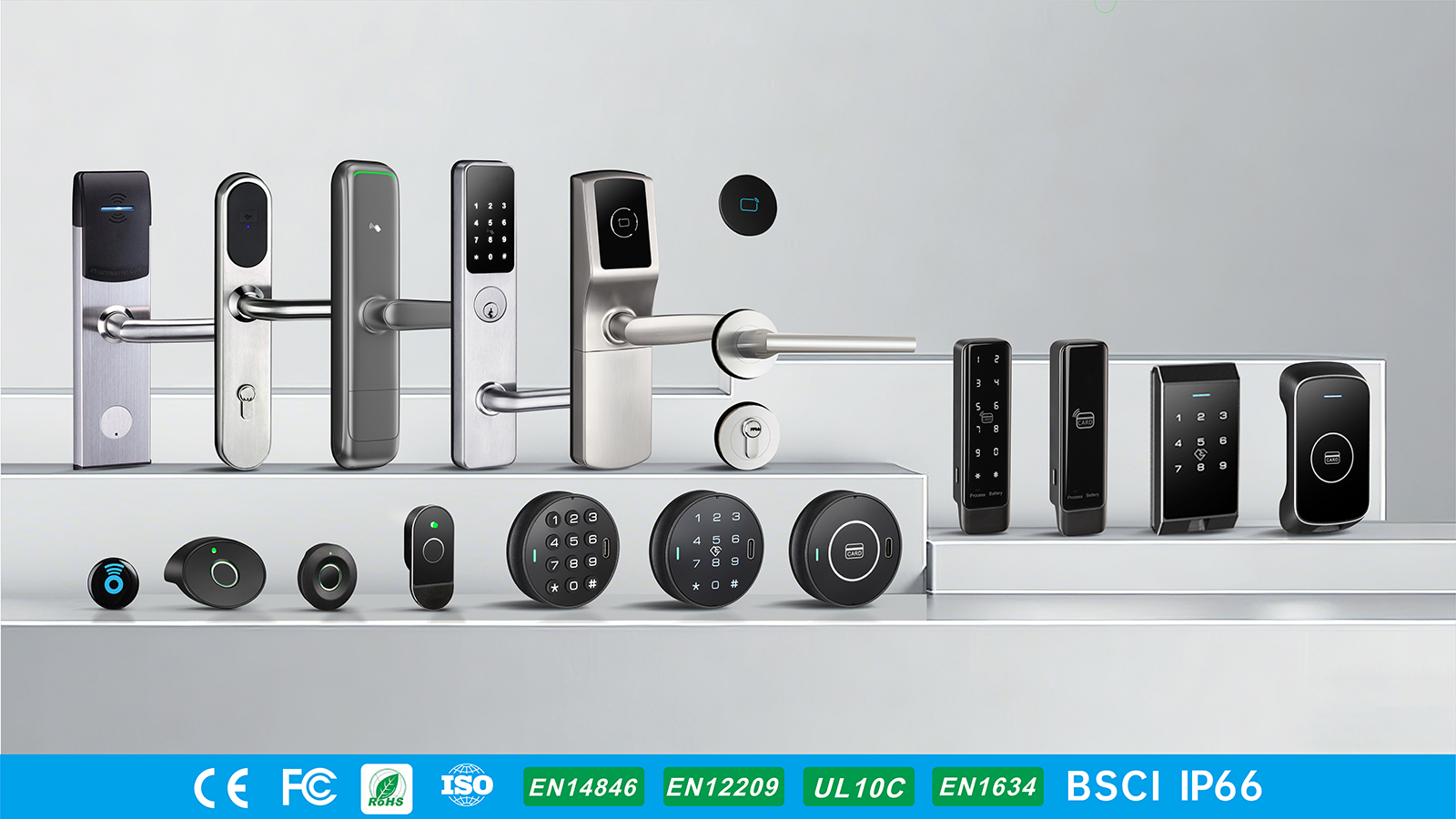
EN1634-1 — fire resistance testing for door and lock assemblies, critical for guest room fire doors.
EN14846 — performance and durability standard for electromechanical locks.
EN12209 — performance standard for mechanically operated locks.
UL10C — fire door testing standard widely required in the North American market.
For hotels, fire-rated guest room doors demand locks that hold up under these standards. Missing certifications can fail inspections, block insurance, or stop a project at handover.
Market compliance marks
CE — required for the European market.
FCC — required for radio-frequency devices in the United States (relevant for both RFID and Bluetooth).
RoHS — restricts hazardous substances.
UKCA — required for the UK market.
Because both RFID and Bluetooth locks use wireless communication, FCC compliance matters for either technology entering the US. Match the certifications to every market where you'll install.
Manufacturing quality systems
Beyond product certifications, supplier-level systems signal reliability. ISO 9001 confirms a managed quality process, and BSCI confirms audited social compliance. For large or repeat orders, these systems indicate a manufacturer that delivers consistent quality at scale.
Quick Decision Checklist
Run through these questions before you specify. They move you from guest profile to the right lock in order:
Who are your guests? All ages and tech levels → lean RFID. Tech-comfortable travelers → Bluetooth is viable.
What check-in experience do you want? Front desk → RFID. Contactless / self check-in → Bluetooth.
Do you need remote key control? Yes → Bluetooth or hybrid.
How critical is offline reliability? Very → RFID or hybrid with card fallback.
Does it integrate with your PMS? Confirm before buying.
Do the locks fit your doors? Check thickness, mortise standard, and material.
Which certifications does your market require? EN14846, EN12209, EN1634-1, UL10C, CE, FCC, RoHS, UKCA—match to each region.
Is your supplier ISO 9001 and BSCI certified? Verify for large orders.
If you answer "a bit of both" on guest profile and check-in style, that's your signal to specify a hybrid system.
Common Buying Mistakes to Avoid
Even experienced procurement teams slip up on this decision. Watch for these:
Choosing technology before knowing your guests. The guest profile drives the choice, not the trend.
Assuming Bluetooth removes the front desk entirely. You still need a fallback for dead phones and app failures.
Ignoring offline reliability. A purely connectivity-dependent system fails when the network does.
Overlooking FCC certification. Both RFID and Bluetooth are wireless—US installs need it.
Skipping PMS integration checks. A lock that won't sync with your software creates manual work.
Forgetting door compatibility. Mortise standard and door thickness mismatches stall installs.
Selecting a supplier without verified quality systems. ISO 9001 and BSCI protect large orders.
Frequently Asked Questions
Which is better for hotels: an RFID lock or a Bluetooth lock?
Neither is universally better—it depends on your property. RFID hotel locks offer proven reliability, universal guest access, and offline operation, making them ideal for high-volume hotels and resorts. Bluetooth hotel locks add mobile keys, contactless check-in, and remote key control, suiting boutique and tech-forward properties. Many hotels choose a hybrid lock that supports both.
How does a Bluetooth hotel lock work?
A Bluetooth hotel lock uses BLE to communicate with a guest's smartphone. The guest receives a mobile key in an app—often on the TTLock or Tuya platform—and unlocks the door by tapping their phone near the lock. Property managers can issue, schedule, and revoke mobile keys remotely, which supports contactless check-in.
Do RFID hotel locks need internet or Wi-Fi to work?
No. RFID hotel locks read a key card or wristband locally and can operate offline, which is one of their biggest advantages. Card encoding and PMS integration happen at the front desk or through your management system, but the lock itself doesn't depend on a live connection to open a door.
Can one hotel lock support both key cards and mobile keys?
Yes. A hybrid hotel lock accepts both RFID key cards and Bluetooth mobile keys. This gives tech-comfortable guests the convenience of their phone while providing everyone else a familiar card, plus a reliable fallback if a phone dies or the app fails. It's a popular choice for new builds and renovations.
What certifications should a hotel lock have?
For safety, look for EN1634-1 (fire resistance), EN14846 and EN12209 (lock performance), and UL10C (fire door testing). For market compliance, verify CE (Europe), FCC (US wireless devices), RoHS, and UKCA (UK). Supplier systems like ISO 9001 and BSCI further signal consistent quality.
How long do hotel lock batteries last?
Most hotel locks run for roughly a year or 8,000–10,000 operations on standard batteries, though this varies by usage. A quality lock warns staff through the management software before the battery dies, preventing lockouts. Bluetooth locks may draw slightly more power depending on connection frequency, so confirm real-world figures with the manufacturer.
Conclusion
The choice between a hotel RFID lock and a Bluetooth hotel lock comes down to your guests and your operations. RFID delivers proven, universal, offline-ready access—ideal for high-volume properties and resorts. Bluetooth delivers mobile keys, contactless check-in, and remote control—ideal for modern, boutique, and apartment-style hotels. For most properties, a hybrid system captures the best of both: the convenience of mobile access with the reliability of a card fallback.
Match the technology to your guest profile first, then verify specs, software integration, and certifications before you buy. Ready to specify the right system for your property? Explore our hotel RFID lock and Bluetooth hotel lock ranges, or share your property size, door types, and check-in goals with our team for a tailored recommendation.
FAQ
What materials do you use for your cabinets?
We offer a variety of high-quality materials for our cabinets, including solid wood, MDF, plywood, and laminate. Each material is carefully selected for its durability, aesthetic appeal, and suitability for different applications. Our team can help you choose the best material based on your specific needs and preferences.
Can I customize the size and design of my cabinets?
What is the typical lead time for custom cabinets?
How do I care for and maintain my new cabinets?
Do you offer installation services for your cabinets?
-
 Choose a hotel lock system by matching four things to your property: access technology (RFID, Bluetooth, or hybrid), PMS and management software integration, the certifications your market requires (EN, UL, CE, FCC, RoHS, UKCA), and door compatibility. New builds favor fully integrated
 -
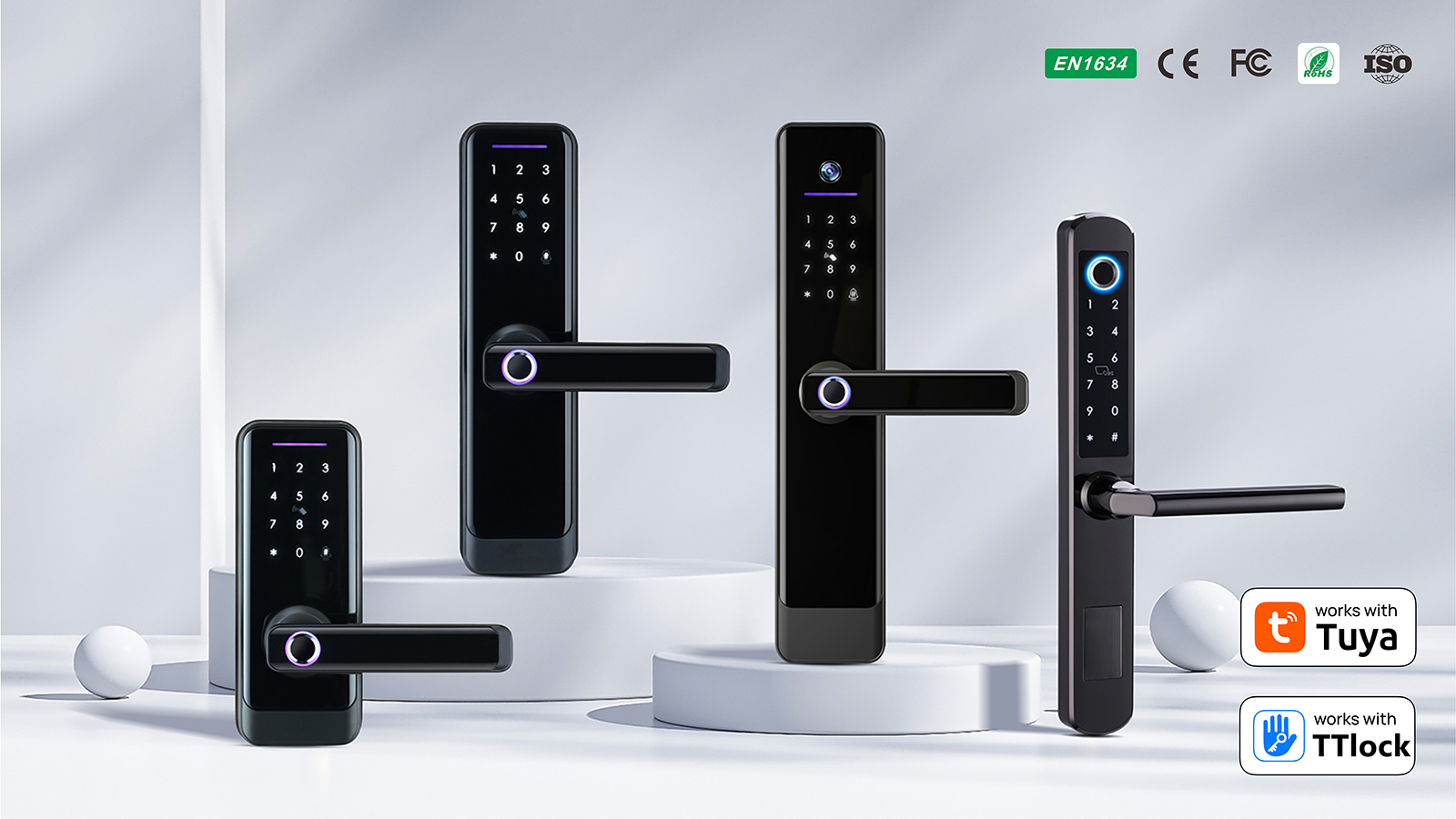 Tuya Smart Lock integration supports three primary communication protocols—Wi-Fi, Zigbee, and Bluetooth—and connects to commercial systems via the Tuya IoT Platform API. Developers can manage locks centrally, trigger automation scenes, and link to hotel PMS systems using standardized OAuth 2.
 -
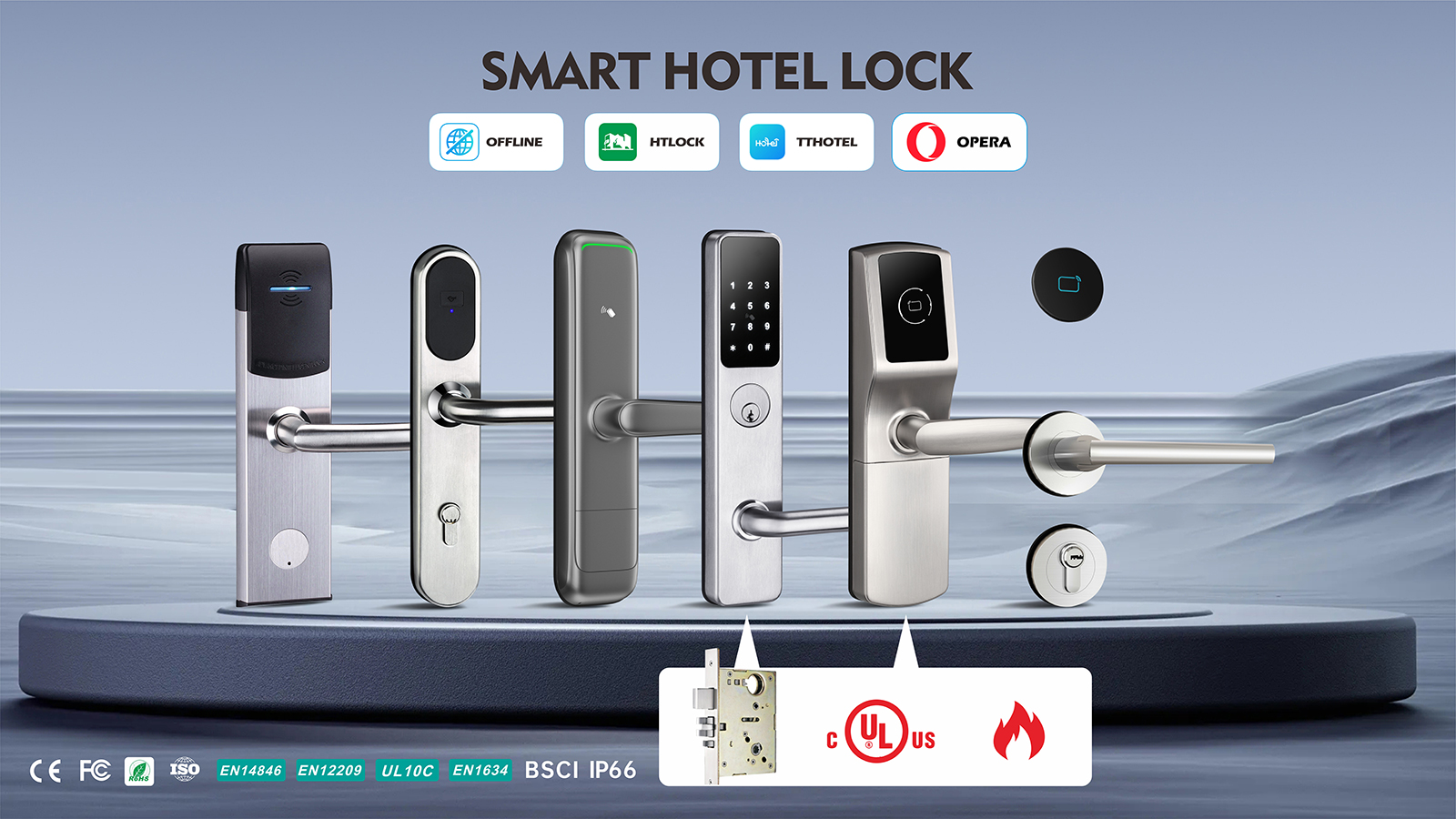 Quick answer: To successfully enter the United States market, smart lock enterprises must navigate strict localization and compliance standards. The two most critical American smart lock certification requirements are the UL10C fire resistance test, which demands locks withstand three hours of fire


