


Quick answer:
To successfully enter the United States market, smart lock enterprises must navigate strict localization and compliance standards. The two most critical American smart lock certification requirements are the UL10C fire resistance test, which demands locks withstand three hours of fire exposure, and the FCC ID application for wireless communication features.
The United States represents one of the largest and most fiercely competitive smart lock markets in the world. For Chinese smart lock enterprises and global B2B buyers looking to capture a share of this massive industry, simply manufacturing a high-quality product is not enough. Success in North America requires a deep understanding of localized compliance strategies and rigorous safety certifications.
Commercial buyers, hotel chains, and residential developers demand absolute proof that a smart lock meets domestic safety and communication standards. Without the proper documentation, your products will struggle to clear customs, let alone secure lucrative B2B contracts. Buyers explicitly require that smart lock products carry specific testing reports and declarations before they will even consider a purchase.
This guide breaks down the essential US market smart lock compliance UL10C FCC requirements. By understanding the exact testing thresholds and certification processes, B2B buyers and manufacturers can build a foolproof strategy for importing and scaling their smart lock business in North America.
Table of Contents
What are the core American smart lock certification requirements?
Entering the North American market requires physical safety testing and electronic communication verification. Two major certifications dictate whether a smart lock can legally and successfully sell in the United States.
How does the UL10C fire rated smart lock USA test work?
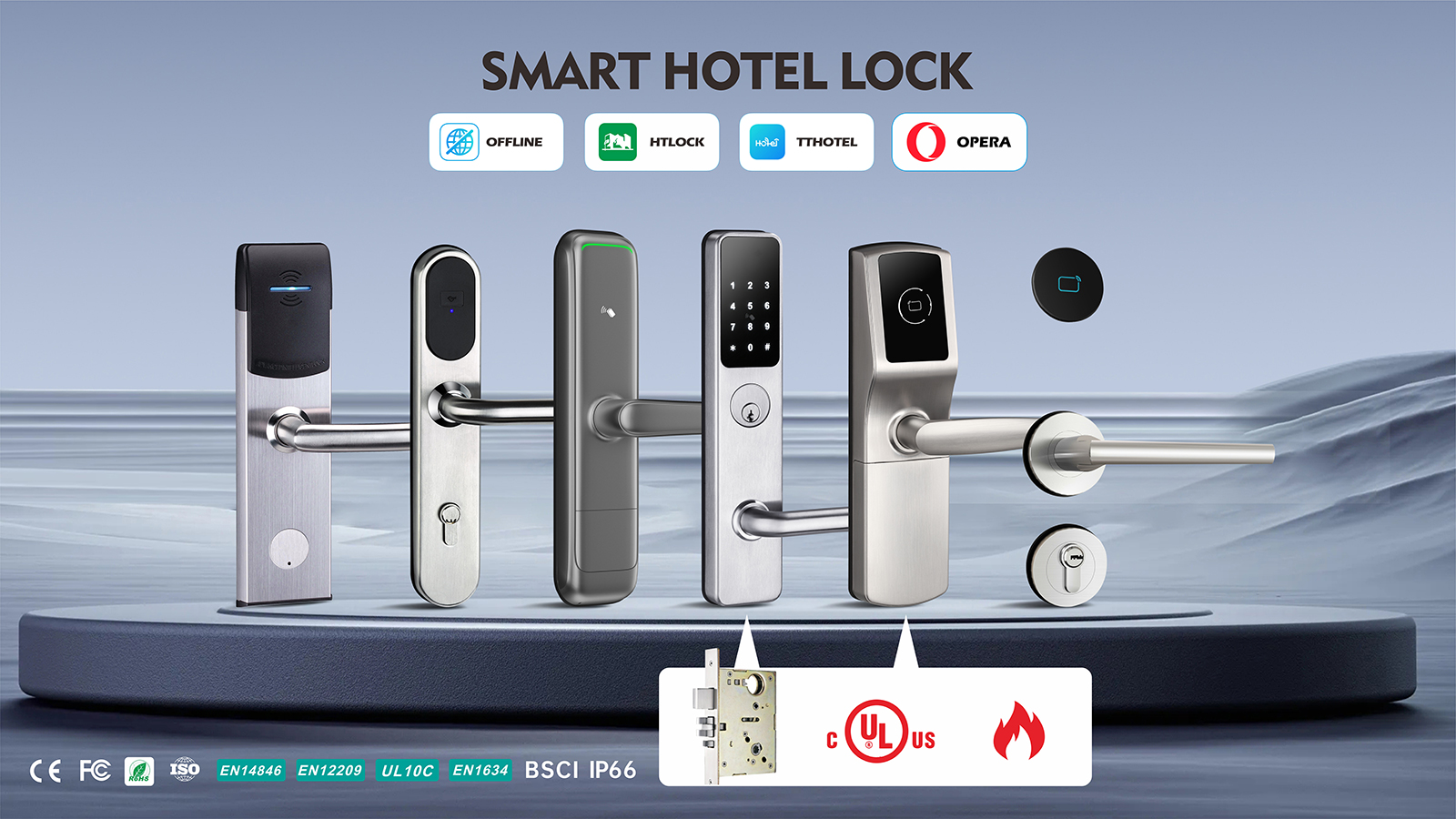
The UL10C standard is a rigorous fire resistance test applied to door assemblies and hardware, including the smart hotel lock and residential smart lock. According to Underwriters Laboratories (UL), this test evaluates how well a door lock can contain a fire and prevent it from spreading.
The UL10C fire rated smart lock USA test requires the hardware to withstand extreme heat and flames for a continuous duration of three hours. During this period, the lock must remain intact and keep the door securely latched. Following the fire exposure, the smart lock undergoes a hose stream test, where a high-pressure blast of water hits the heated metal to ensure the lock does not shatter or fail under sudden temperature changes and pressure.
Choose a UL10C Smart Lock if your target buyers operate commercial real estate, hotels, or multi-family apartment buildings. Commercial building codes across the United States mandate that fire doors maintain their structural integrity, making the three-hour UL10C certification a non-negotiable threshold for B2B buyers.
What is the FCC ID application for electronic lock devices?
Because modern smart locks rely on wireless protocols to communicate with mobile apps and smart home hubs, the Federal Communications Commission (FCC) must regulate them. The FCC ensures that wireless devices do not cause harmful electromagnetic interference with other electronics.
The FCC ID application for electronic lock models covers wireless products utilizing Bluetooth, WiFi, and Zigbee technologies. Before exporting a smart lock to the United States, manufacturers must complete the FCC ID application. This process requires the submission of detailed product technical parameters. The testing laboratory will evaluate the Bluetooth and WiFi frequency bands, transmission power, and radiation emissions. Once the device passes, the FCC assigns a unique identifier that must display on the product label.
Why is a smart lock import USA certification checklist necessary?
Navigating international trade requires meticulous preparation. Missing a single document can result in delayed shipments, seized inventory, or canceled B2B contracts. A structured smart lock import USA certification checklist ensures that manufacturers and buyers align with legal and commercial expectations.
Verify the UL10C Fire Report: Ensure the factory provides an authentic UL10C test report confirming the three-hour fire resistance capability.
Secure the FCC ID: Confirm that the smart lock has undergone radio frequency testing and holds a valid FCC ID for its specific Bluetooth, WiFi, or Zigbee modules.
Obtain a RoHS Declaration: B2B buyers require a Restriction of Hazardous Substances (RoHS) declaration. This document proves the smart lock does not contain dangerous levels of lead, mercury, or other hazardous materials.
Check ISO Quality Standards: Partner with a manufacturer that holds ISO9001-2015 quality management system certification. This ensures consistent production quality across large commercial orders.
How does Smartek Security Technology support US market expansion?
Finding a manufacturing partner capable of meeting strict North American standards is a significant hurdle. Zhongshan Smartek Security Technology Co., Ltd. operates as a leading manufacturer of hotel locks and smart security solutions. Founded in 2016, Smartek Security Technology designs products specifically for international compliance.
Smartek smart locks undergo comprehensive testing to meet global standards. The Smartek factory holds ISO9001-2015 quality management system certification. Furthermore, Smartek products have received SGS CE certification and European fire resistance test certifications. By leveraging a core team with more than 25 years of industry expertise, Smartek Security Technology provides B2B buyers with the reliable hardware needed to pass strict US market smart lock compliance UL10C FCC requirements.
Next steps for scaling your smart lock business in America
Expanding into the United States requires a commitment to safety, compliance, and quality. B2B buyers will not compromise on fire safety or wireless regulation. By prioritizing the UL10C three-hour fire test and securing the necessary FCC ID applications, your smart lock products will meet the strict demands of American commercial buyers.
To streamline your entry into the North American market, partner with an experienced manufacturer. Evaluate your current product lineup against the compliance checklist provided above, and ensure your factory partners can deliver the necessary technical parameters and testing reports.
Frequently Asked Questions (FAQ)
What is a UL10C Smart Lock?
A UL10C Smart Lock is an electronic door lock that has passed the Underwriters Laboratories 10C fire resistance test. This test verifies that the smart lock can withstand direct fire exposure for up to three hours without failing, which is a mandatory requirement for commercial and hotel doors in the United States.
Why do I need an FCC ID application for a smart hotel lock?
An FCC ID application for electronic lock devices is legally required for any product that uses wireless communication. Because a smart hotel lock typically uses Bluetooth, WiFi, or RFID to communicate with guest smartphones and hotel management systems, the FCC must certify that the lock's radio frequencies do not interfere with other American telecommunications infrastructure.
How long does the smart lock import USA certification process take?
The timeline depends heavily on the specific testing laboratories and the readiness of the manufacturer's technical parameters. Generally, obtaining an FCC ID takes four to eight weeks, while UL10C fire testing can take several months due to scheduling at specialized fire testing facilities. Partnering with a manufacturer that already holds these certifications significantly reduces import timelines.
What other documents do B2B buyers require for a smart lock?
In addition to the UL10C fire rating and the FCC ID, commercial B2B buyers in the United States typically require a RoHS declaration. The RoHS declaration confirms the product is free from hazardous heavy metals. Buyers may also request the manufacturer's ISO9001-2015 certificate to verify overall production quality control.
FAQ
What materials do you use for your cabinets?
We offer a variety of high-quality materials for our cabinets, including solid wood, MDF, plywood, and laminate. Each material is carefully selected for its durability, aesthetic appeal, and suitability for different applications. Our team can help you choose the best material based on your specific needs and preferences.
Can I customize the size and design of my cabinets?
What is the typical lead time for custom cabinets?
How do I care for and maintain my new cabinets?
Do you offer installation services for your cabinets?
-
 Quick answer: To successfully enter the United States market, smart lock enterprises must navigate strict localization and compliance standards. The two most critical American smart lock certification requirements are the UL10C fire resistance test, which demands locks withstand three hours of fire
 -
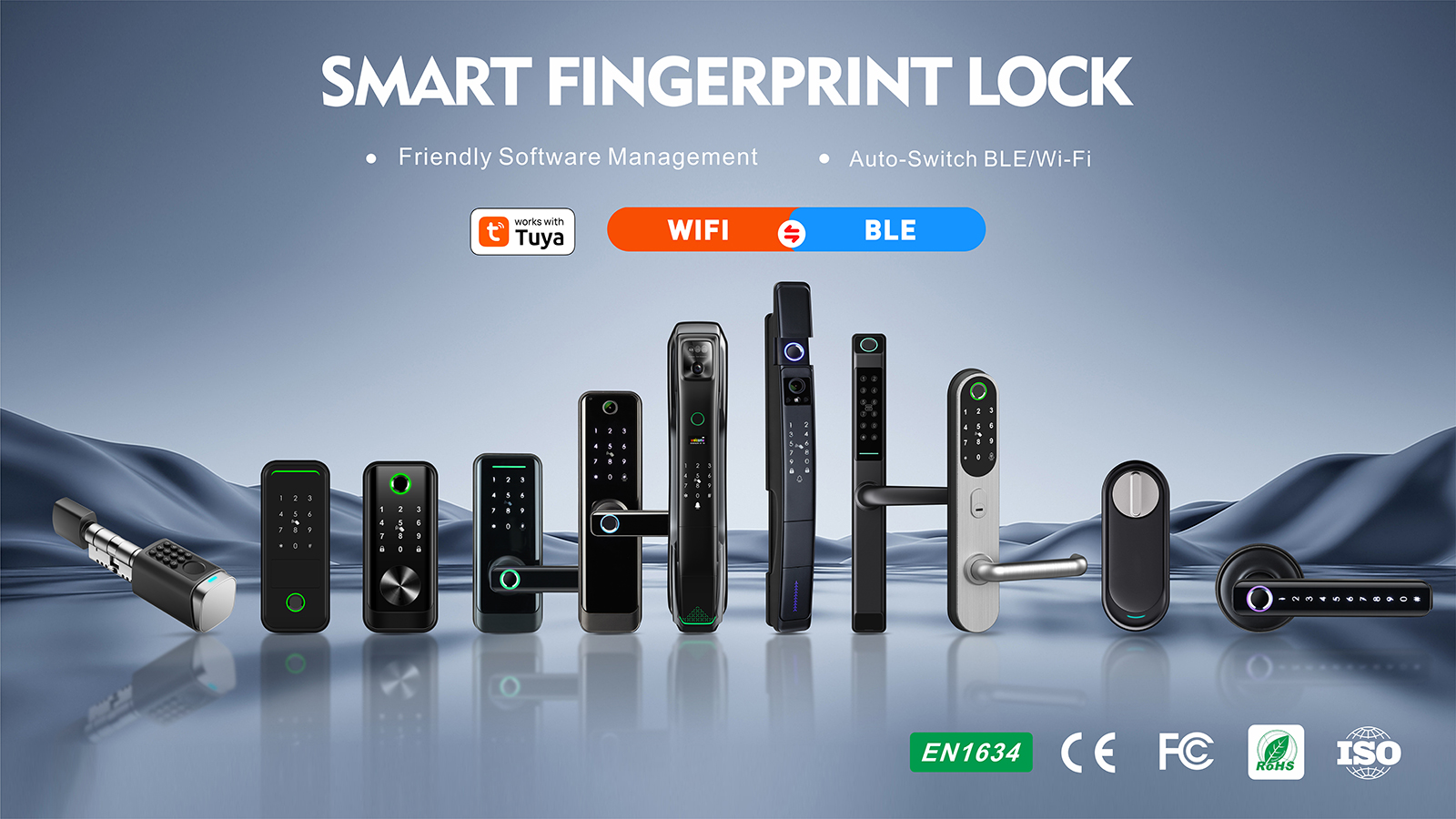 TL;DR:The EN1634-1 fire protection test certification requires a smart fingerprint lock to withstand extreme high temperatures for 60 minutes. This standard, alongside EN14846 and EN12209, ensures electronic locks meet strict European safety and functional requirements for commercial buildings and h
 -
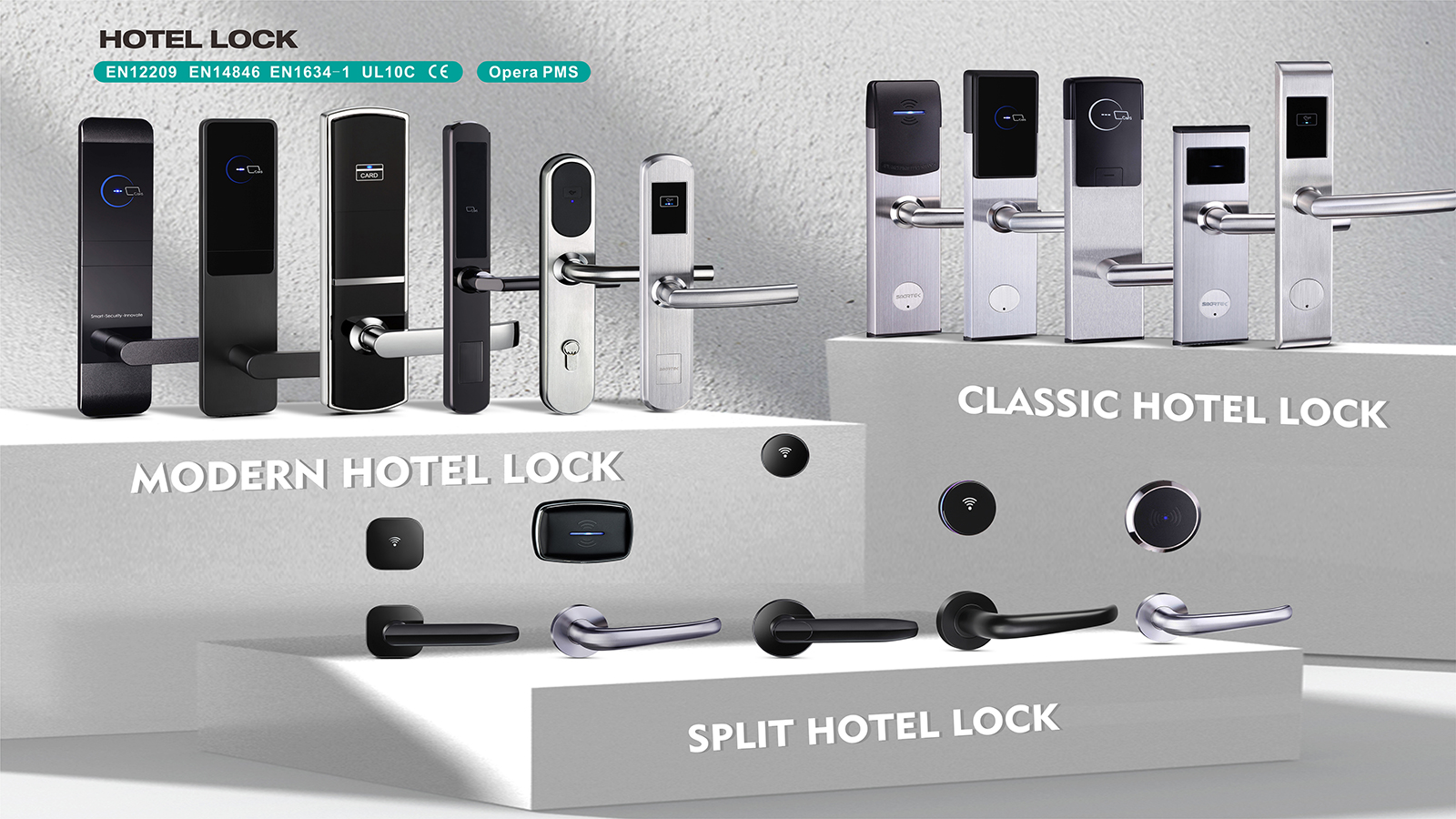 Quick answer: The global hotel smart lock market is projected to experience substantial growth between 2026 and 2032. Key drivers include increased demand for contactless guest experiences, rising security standards, and the integration of mobile access technologies. Upgrading to a modern hotel smar


