


Quick answer:
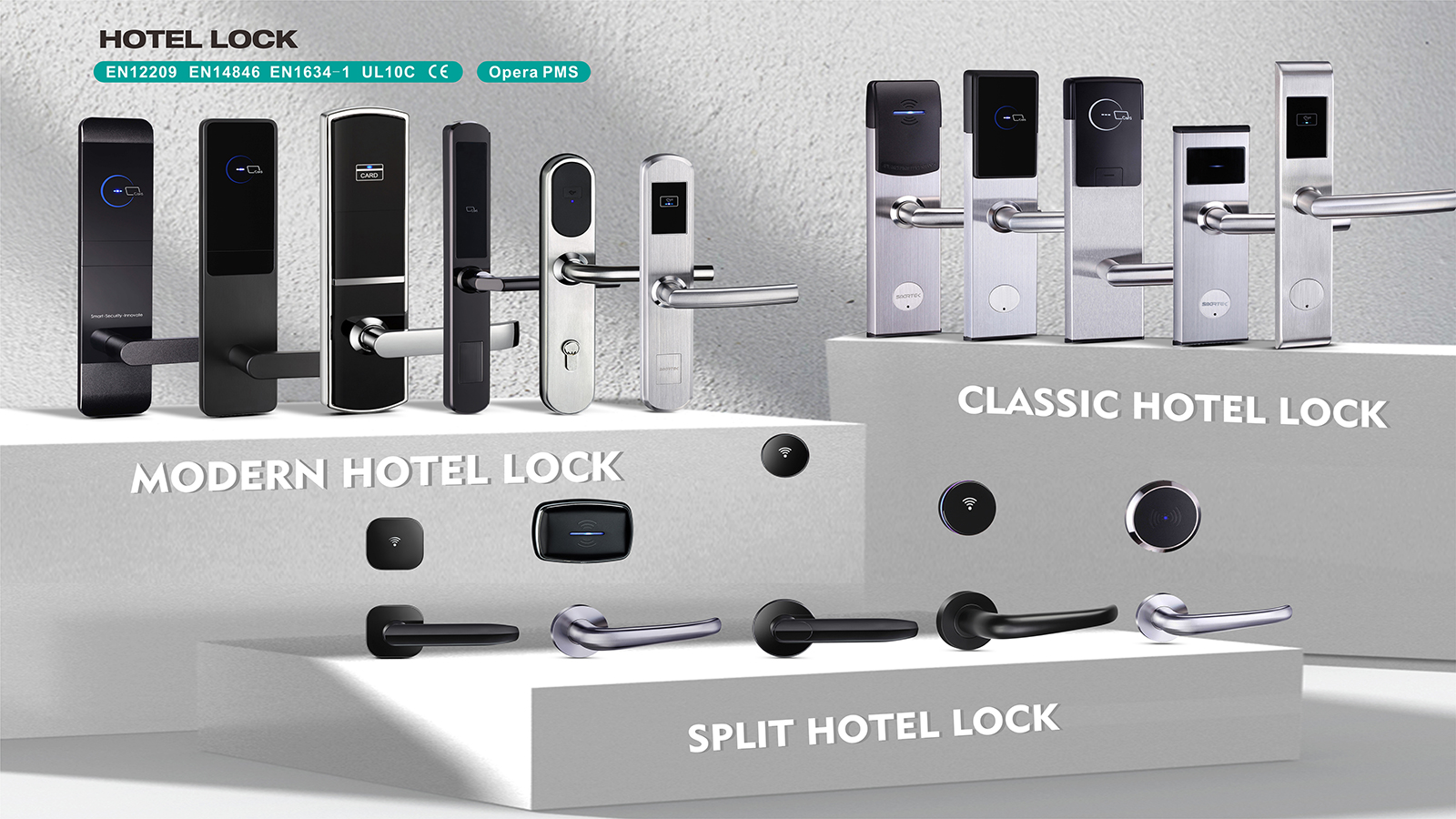
The global hotel smart lock market is projected to experience substantial growth between 2026 and 2032. Key drivers include increased demand for contactless guest experiences, rising security standards, and the integration of mobile access technologies. Upgrading to a modern hotel smart lock system improves operational efficiency and enhances overall guest satisfaction.
The hospitality industry is experiencing a massive shift in how it manages guest access and property security. Traditional mechanical keys have long been replaced by magnetic stripe cards, and now, even those cards are giving way to advanced digital solutions. Property managers and hotel owners are actively seeking hardware that integrates seamlessly with broader property management systems.
Upgrading your security infrastructure is no longer a luxury for premium resorts. It is a fundamental requirement for staying competitive and meeting evolving consumer expectations. Guests want frictionless check-in experiences, while operators need reliable hardware that reduces maintenance overhead and prevents unauthorized access.
This post explores the projected growth of the hotel smart lock market from 2026 to 2032. You will learn about the primary technological drivers shaping the industry, how to evaluate different access control systems, and why partnering with a proven security solutions provider like Smartek Security Technology can future-proof your property.
Table of Contents
What are the key growth drivers for the hotel smart lock market?
The transition toward intelligent access control systems is accelerating globally. Several distinct factors are pushing hotel operators to adopt these advanced solutions.
How does mobile technology influence hotel access systems?
Modern travelers rely heavily on their smartphones for everything from booking flights to ordering food. Consequently, they expect their mobile devices to serve as their room keys. A hotel smart lock equipped with Bluetooth Low Energy (BLE) or Wi-Fi capabilities allows guests to bypass the front desk entirely. They receive a secure digital key directly on their phone. This eliminates the frustration of lost physical cards and significantly speeds up the check-in process.
Why are operational efficiencies critical for modern hotels?
Labor shortages and rising operational costs force hotel managers to do more with less. A digital hotel lock system centralizes access control. Staff can grant or revoke room access remotely, monitor battery levels from a single dashboard, and track entry logs in real-time. This level of oversight reduces the time maintenance teams spend troubleshooting hardware and allows front desk employees to focus on personalized guest services rather than encoding keycards.
Which smart lock technologies will dominate the market by 2032?
The market currently offers several variations of the smart lock, each serving a specific operational need. Radio Frequency Identification (RFID) remains a foundational technology. It provides a reliable, secure, and cost-effective way to manage access using encrypted keycards.
However, hybrid models are rapidly gaining traction. These models combine RFID capabilities with mobile access features (like Bluetooth or Wi-Fi). Smartek Security Technology, for instance, provides ANSI hotel locks that feature UL fire tests, ensuring robust physical security alongside modern digital access. Furthermore, solutions utilizing the Tuya or TTLock platforms enable comprehensive smart home and hospitality integrations, giving operators flexible software choices.
How to choose the right smart lock for your hospitality business?
Selecting the correct hardware requires evaluating your property's specific needs, budget, and existing infrastructure.
Choose an RFID-only hotel lock if immediate cost savings and simple installation matter more than mobile check-in capabilities. This option works exceptionally well for budget motels or properties with older demographics who prefer physical cards.
Choose a Bluetooth-enabled hotel smart lock if guest experience and modern amenities are your top priorities. This technology appeals to business travelers and tech-savvy tourists who demand frictionless access.
When evaluating vendors, prioritize those with proven track records. Smartek Security Technology operates with over 25 years of core team industry expertise. They hold ISO9001-2015 quality management system certification, and their products feature SGS CE certification and European fire resistance tests. Sourcing hardware from a certified security solutions provider ensures long-term reliability.


Next steps for upgrading your hotel security infrastructure
Transitioning to a modern access control system is a strategic investment that pays dividends in guest satisfaction and operational efficiency. The market trends between 2026 and 2032 point clearly toward a fully integrated, mobile-first future for hospitality security.
To get started, audit your current door hardware to determine compatibility with newer electronic mortises. Next, evaluate whether your current property management software integrates with popular smart lock applications like TTLock or Tuya. Finally, consult with a specialized manufacturer to design a tailored access solution. Visit Smartek Security Technology at http://www.smarteklock.com/ to explore an extensive catalog of intelligent hotel lock systems and request a customized quote for your property.
Frequently asked questions about hotel lock systems
How much does it cost to install a hotel smart lock system?
The cost varies based on the lock's connectivity features, the mortise standard (ANSI or European), and the scale of the property. Basic RFID locks are highly affordable, while advanced Bluetooth models require a higher initial investment but offer greater long-term operational savings.
How long does it take to deploy a new smart lock system across a hotel?
For a mid-sized hotel with 100 rooms, installation and software configuration typically take one to two weeks. Working with an experienced security solutions provider minimizes downtime and ensures a smooth transition.
What are the security risks associated with digital hotel locks?
Digital locks can face cybersecurity threats if not properly encrypted. To mitigate these risks, operators must choose hardware that utilizes advanced encryption standards and undergoes rigorous testing, such as those verified by CE or UL certifications.
What are the best alternatives to fully mobile-enabled smart locks?
If mobile access is not feasible for your property, standalone RFID card locks or smart keypad locks are excellent alternatives. They still eliminate mechanical keys while keeping infrastructure costs manageable.
Who is the ideal candidate for a TTLock or Tuya integrated hotel lock?
Boutique hotels, rental apartments, and properties looking to integrate room access with broader smart room controls (like lighting and temperature) benefit the most from Tuya or TTLock software ecosystems.
FAQ
What materials do you use for your cabinets?
We offer a variety of high-quality materials for our cabinets, including solid wood, MDF, plywood, and laminate. Each material is carefully selected for its durability, aesthetic appeal, and suitability for different applications. Our team can help you choose the best material based on your specific needs and preferences.
Can I customize the size and design of my cabinets?
What is the typical lead time for custom cabinets?
How do I care for and maintain my new cabinets?
Do you offer installation services for your cabinets?
-
 Quick answer: The global hotel smart lock market is projected to experience substantial growth between 2026 and 2032. Key drivers include increased demand for contactless guest experiences, rising security standards, and the integration of mobile access technologies. Upgrading to a modern hotel smar
 -
 The 2026 Canton Fair (China Import and Export Fair) once again proved to be one of the most influential global trade platforms for the smart home and security industry. As international buyers returned in large numbers, demand for advanced access control solutions—especially smart locks—showed stron
 -
 As the global smart security industry continues to evolve, demand for flexible and intelligent access control solutions is expanding across multiple application scenarios. Among these, smart cabinet lock solutions are gaining increasing attention as an important extension of smart locking technology


