


TL;DR:
The EN1634-1 fire protection test certification requires a smart fingerprint lock to withstand extreme high temperatures for 60 minutes. This standard, alongside EN14846 and EN12209, ensures electronic locks meet strict European safety and functional requirements for commercial buildings and hotels.
Procuring hardware for commercial buildings requires strict adherence to international safety codes. For B2B buyers navigating the European market, the EN1634-1 fire protection test certification represents a critical threshold for electronic access control. A smart fingerprint lock cannot be legally installed in a European hotel or office complex without proving it can withstand severe fire conditions.
Buyers often find compliance data scattered across different testing laboratories and manufacturer websites. This fragmentation makes it difficult to compare essential building codes like EN1634-1, EN14846, and EN12209. To make informed purchasing decisions, facility managers and procurement officers need a clear, integrated view of these three major compliance frameworks.
This complete guide breaks down the essential European standards for access control hardware. We will examine exactly what an EN1634-1 certified fingerprint lock must endure during testing, how it compares to mechanical and electromechanical benchmarks, and what features you should look for when selecting hardware from manufacturers like Smartek Security Technology.
Table of Contents
What does the EN1634-1 building hardware standard require?
The EN1634-1 building hardware standard dictates the fire resistance and smoke control tests for door and shutter assemblies. When applied to an electronic integrated electromechanical lock, the testing process is exceptionally rigorous.
To achieve certification, an EN1634 smart lock must maintain functional stability for exactly 60 minutes in a high-temperature environment. Fire testing facilities mount the smart fingerprint lock onto a standardized fire door and expose the assembly to furnace temperatures that rapidly escalate to simulate a real-world structural fire.
During this 60-minute window, the lock cannot melt, collapse, or create gaps that would allow flames or toxic smoke to pass through the door. A fire rated electronic lock fingerprint mechanism must also ensure that the door remains securely latched during the blaze, preventing the fire from spreading to adjacent building zones.
How do these standards compare: EN1634-1 vs EN14846 vs EN12209?
While EN1634-1 covers fire resistance, European regulations require electronic locks to meet additional mechanical and electrical benchmarks. Evaluating EN1634-1 vs EN14846 vs EN12209 helps B2B buyers understand the complete compliance ecosystem.
The following table details the differences between the three major standards:
Standard | Focus Area | Key Testing Requirement | Primary Application |
|---|---|---|---|
EN1634-1 | Fire Resistance | Withstand high temperatures for 60 minutes without structural failure. | Commercial fire doors, hotel room doors. |
EN14846 | Electromechanical Security | Assess the strength, security, and electrical function of the lock. | Any smart fingerprint lock or electronic access control. |
EN12209 | Mechanical Durability | Test the mechanical strength and life cycle of the latch and deadbolt. | Traditional mechanical mortise locks and cylinders. |
Choose an EN1634-1 certified fingerprint lock if fire safety compliance is a legal requirement for your commercial property. Select a lock that additionally meets EN14846 if you need verified proof of electronic reliability against tampering and electrical failure.
What are the fingerprint lock CE certification requirements?
Beyond fire and mechanical testing, smart locks entering the EU market must carry CE marking. The fingerprint lock CE certification requirements encompass several distinct directives that ensure user safety and environmental protection.
First, the hardware must comply with the Radio Equipment Directive (RED) if it uses wireless communication protocols like Bluetooth or Wi-Fi. Second, the smart fingerprint lock must pass Electromagnetic Compatibility (EMC) testing, proving it will not emit harmful interference or fail when exposed to other electronic devices. Finally, the lock must meet RoHS (Restriction of Hazardous Substances) standards, which restrict the use of dangerous materials like lead and mercury during the manufacturing process.
Manufacturers like Smartek Security Technology design their products to meet CE, FCC, and RoHS regulations simultaneously. This integrated approach ensures that the hardware can be deployed globally without facing regional compliance hurdles.
How does friendly software management enhance fire-rated locks?
Compliance handles the safety aspect, but software dictates the daily operational efficiency of a smart fingerprint lock. Modern access control solutions require intuitive, friendly software management to handle high-traffic environments like rental apartments and hotels.
Advanced electronic locks feature Auto-Switch BLE/Wi-Fi technology. This capability allows the lock to communicate seamlessly with mobile applications (such as TTLock or Tuya) using Bluetooth Low Energy (BLE) for close-range unlocking, while automatically switching to Wi-Fi for remote management. Facility managers can instantly revoke access, monitor battery levels, and generate temporary entry codes from a centralized dashboard.
When a fire rated electronic lock fingerprint system combines 60-minute heat endurance with Auto-Switch BLE/Wi-Fi, building operators gain both absolute physical security and supreme digital convenience. You can monitor the exact status of a hotel room door while knowing the hardware will hold strong during an emergency.
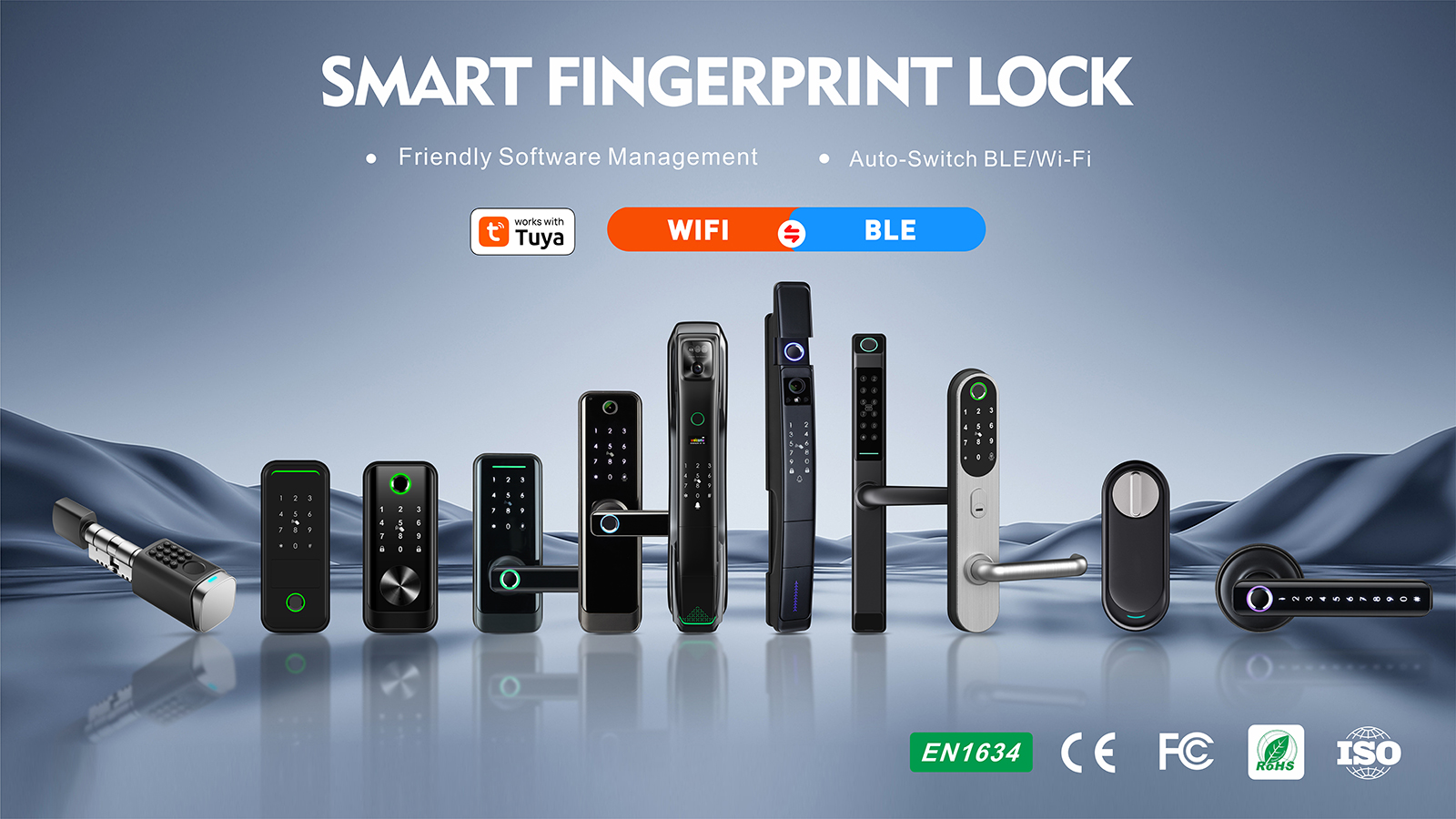
Selecting the right access control hardware for your enterprise
Navigating the procurement process requires matching specific hardware types to your facility's operational needs. A commercial office might require a heavy-duty smart fingerprint lock for its main server room, while an industrial site might utilize a fingerprint lock smart padlock for securing external gates and temporary storage units.
When evaluating suppliers, prioritize manufacturers that provide transparent testing reports for the EN1634-1 building hardware standard. Verify that the internal mortise uses 304 stainless steel materials, as this directly impacts the lock's ability to survive the 60-minute fire test. Finally, ensure the accompanying software platform integrates easily into your existing property management systems.
Secure your property with certified smart lock solutions
Understanding the intricate web of EU compliance standards protects your property and limits liability. By demanding hardware that meets EN1634-1, EN14846, and CE certification requirements, you ensure that your access control systems will perform flawlessly during daily operations and extreme emergencies.
If you need expert guidance on outfitting your hotel or commercial building with fully certified electronic locks, contact Smartek Security Technology. Our team can help you select the exact specifications required to meet your local building codes and operational goals.
Frequently Asked Questions (FAQ)
What is the EN1634-1 standard for smart locks?
The EN1634-1 standard is a European fire resistance test for door assemblies. For a smart lock, it mandates that the hardware must survive a high-temperature furnace test for a minimum of 60 minutes without allowing fire or smoke to breach the door.
How does EN14846 differ from EN12209?
What are the main requirements for CE certification on electronic locks?
Can a fire-rated smart lock connect to Wi-Fi?
FAQ
What materials do you use for your cabinets?
We offer a variety of high-quality materials for our cabinets, including solid wood, MDF, plywood, and laminate. Each material is carefully selected for its durability, aesthetic appeal, and suitability for different applications. Our team can help you choose the best material based on your specific needs and preferences.
Can I customize the size and design of my cabinets?
What is the typical lead time for custom cabinets?
How do I care for and maintain my new cabinets?
Do you offer installation services for your cabinets?
-
 TL;DR:The EN1634-1 fire protection test certification requires a smart fingerprint lock to withstand extreme high temperatures for 60 minutes. This standard, alongside EN14846 and EN12209, ensures electronic locks meet strict European safety and functional requirements for commercial buildings and h
 -
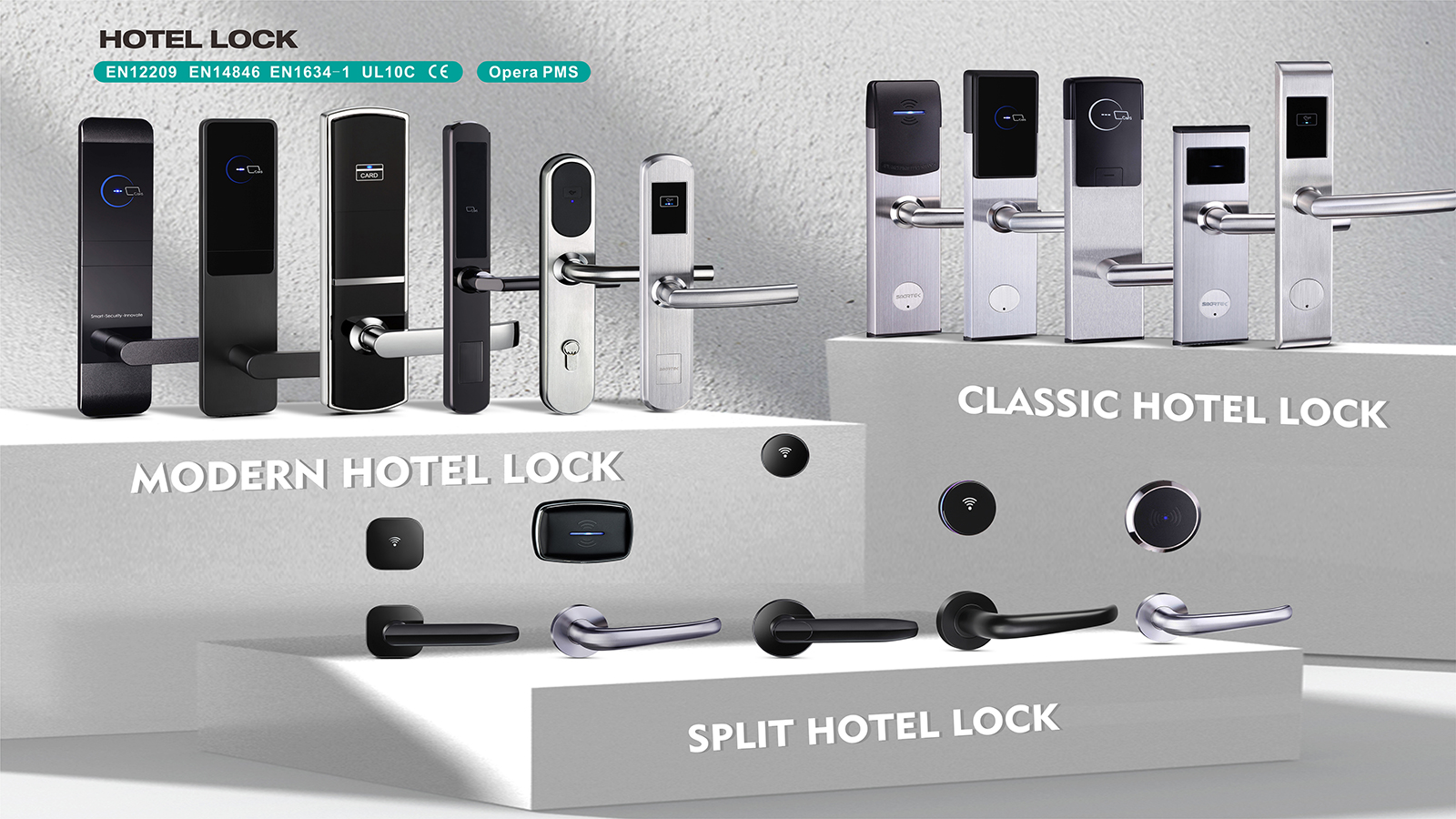 Quick answer: The global hotel smart lock market is projected to experience substantial growth between 2026 and 2032. Key drivers include increased demand for contactless guest experiences, rising security standards, and the integration of mobile access technologies. Upgrading to a modern hotel smar
 -
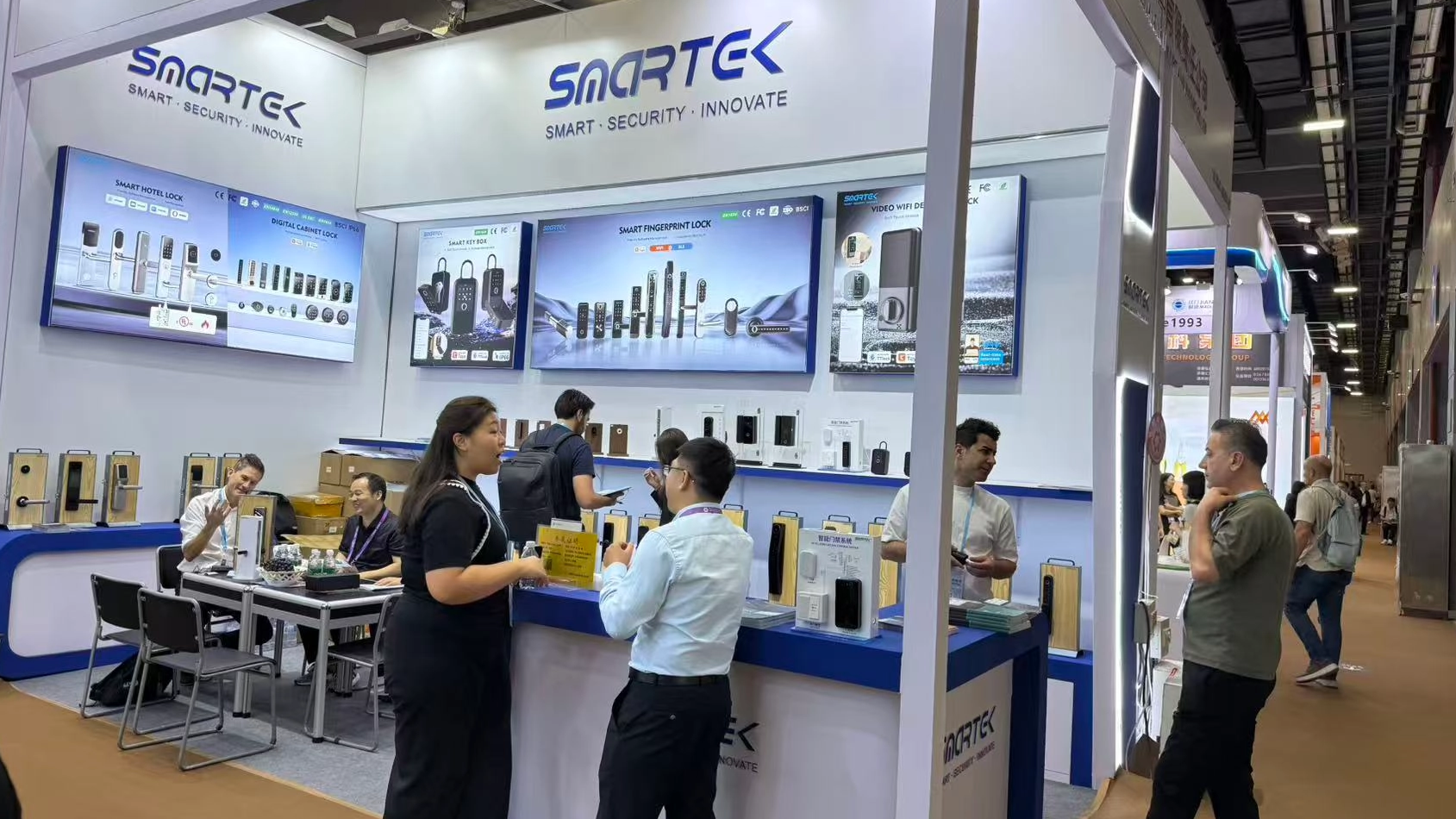 The 2026 Canton Fair (China Import and Export Fair) once again proved to be one of the most influential global trade platforms for the smart home and security industry. As international buyers returned in large numbers, demand for advanced access control solutions—especially smart locks—showed stron


