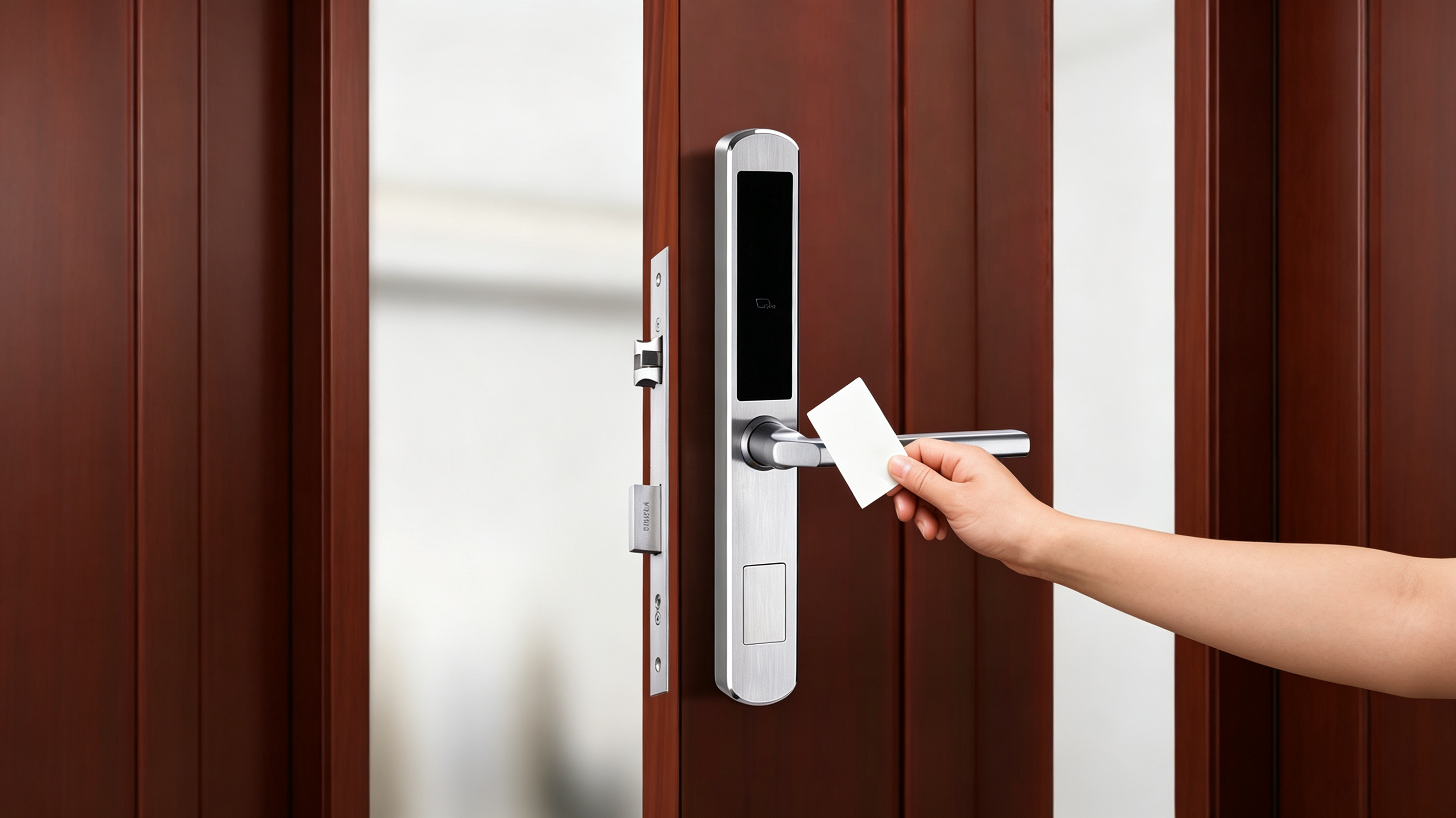
Smart Access Control Systems improve building security by replacing vulnerable mechanical keys with encrypted, centrally managed credentials—cards, mobile apps, passwords, and Bluetooth—while giving administrators real-time visibility into every door, room, and user across a property. For hotels and multi-building enterprises, an enterprise access control solution such as the HTlock networked hotel lock system takes this further, combining local server control with cloud-level oversight so that security never depends on a single point of failure.
Below, we break down exactly how these systems work, what makes them more secure than traditional locks, and what to look for when choosing an enterprise-grade solution.
What Is a Smart Access Control System?
A Smart Access Control System is a security infrastructure that manages who can enter a building, room, or restricted area using digital credentials instead of physical keys. Rather than relying on a single lock-and-key mechanism, these systems combine hardware (locks, gateways, controllers) with software (management platforms) to authenticate users and log activity in real time.
The HTlock networked hotel lock system, developed by Zhongshan Smartek Security Technology Co., Ltd., is a practical example of this model. It's built on the HTLock platform and designed specifically around hotel industry demands, merging the reliability of traditional hotel locks with the flexibility of modern networked systems.
SMARTEK

SMARTEK
What Are the Core Components of an Enterprise Access Control Solution?
An enterprise access control solution typically includes multiple hardware layers working together under one management platform, rather than a single device handling everything. In the HTlock system, these components include:
LAN Server: Keeps operations running even if disconnected from the external network, and supports networked door locks, smart gateways, network card issuers, and access control devices. It also integrates directly with PMS, guest control systems, and self-service check-in machines.
QR Code Elevator Controller: Supports card, QR code, and Bluetooth authentication, with time-based access restrictions so unauthorized users can't operate elevators outside their permitted window.
Sub-1G Gateway (optional): Enables real-time upload of unlocking records, automatic lock timing, real-time check-out, and remote reporting of lock status and power levels.
Network Card Issuer: Connects via Ethernet or wireless network and works across Windows, Linux, macOS, iOS, and Android environments.
Networking Power Switch: Supports remote power control from the front desk and reports abnormal power events—another safeguard against tampering.
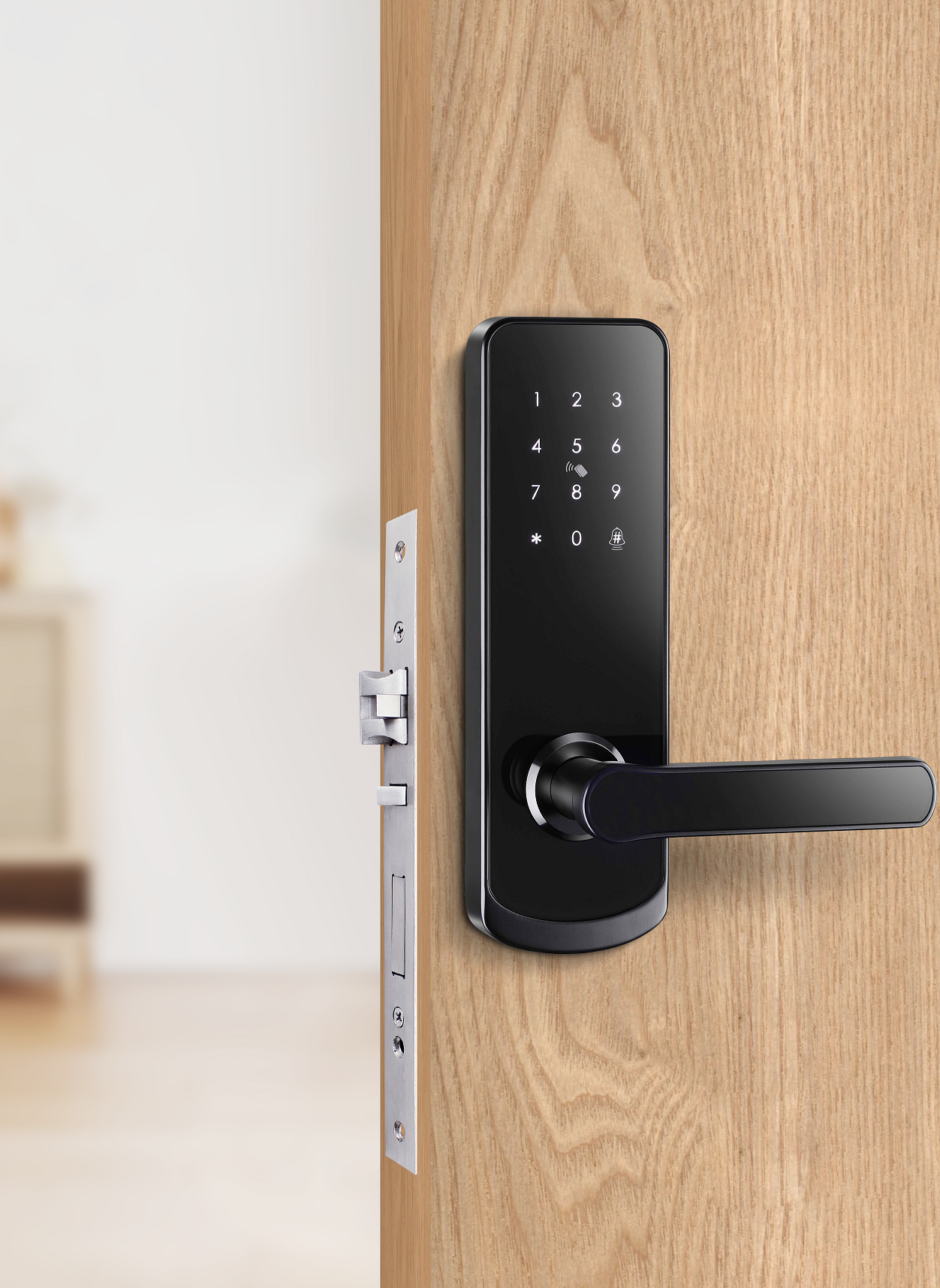
Bluetooth Sub-1G Network Access Control: Combines face, password, card, and Bluetooth unlocking, with local storage for up to 2,000 operation records.
Handheld Machine: Allows technicians to calibrate multiple door locks quickly during installation or emergency card creation.
This layered design means that even without a gateway installed, guests can still be authorized through card, password, or mobile app—while properties that add the gateway unlock additional real-time monitoring and remote management features.
Why Does Management Visibility Matter for Building Security?
Smart access control systems handle outages through redundancy: local processing continues even when broader connectivity fails. The HTlock system can simulate a time card to quickly recalibrate door locks without a network connection, and it can also simulate the card issuer and mobile card functions to address emergency situations on-site. This ensures front-desk staff aren't locked out of managing access simply because of a connectivity issue.
SMARTEK
Frequently Asked Questions
Does a networked hotel lock system require constant internet access to function?
No. Systems like HTlock use a local + cloud framework, meaning the local network keeps core operations running even if the external internet connection fails.
Can a smart access control system integrate with existing hotel management software?
What happens if a hotel lock's gateway isn't installed?
Is a networked lock system more secure than a standalone mechanical lock?