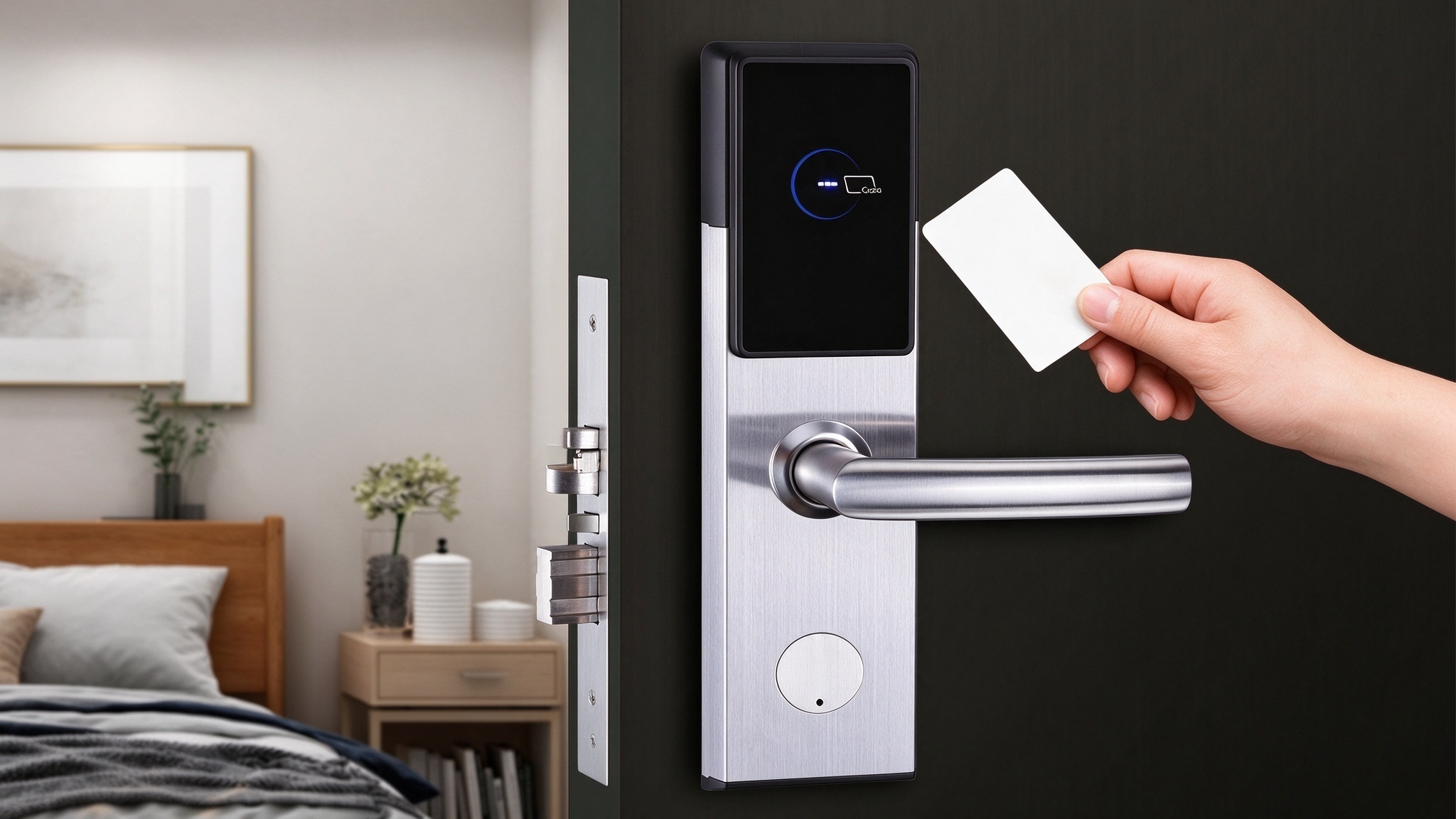
Quick answer:
Property managers can manage tenant access remotely using smart locks connected to a centralized apartment smart lock system. Smartek Lock's apartment smart lock solution lets managers issue digital keys, revoke access instantly, and monitor every door from one app, cutting labor costs while improving security for long-term rentals, student housing, and short-term stays.
Managing tenant access used to mean physical keys, spare copies, and the occasional late-night call when someone got locked out. For property managers juggling dozens — or hundreds — of units, that approach doesn't scale. Every new tenant, late payment, or maintenance visit became a logistical headache requiring someone to be physically present with a key in hand.
Smart locks have changed that equation entirely. Today's apartment smart lock solution allows property managers to issue, modify, and cancel access permissions from anywhere, without ever touching a physical key. For rental apartment operators managing high-turnover units or distributed portfolios, this shift isn't just convenient — it's become a competitive necessity.
This post walks through how remote tenant access management works, what features matter most, and how Zhongshan Smartek Security Technology Co., Ltd. (Smartek Lock) approaches these challenges through its rental apartment solution.
Why Are Rental Apartments Moving Toward Remote Access Management?
Traditional apartment management carries three persistent pain points: difficulty collecting rent on time, high staffing costs paired with low operational efficiency, and a general lack of digital infrastructure. A single property manager handling physical keys and in-person rent collection can realistically oversee only a limited number of units before service quality drops.
Smart locks solve this bottleneck directly. With an integrated apartment smart lock system, one employee can manage over 300 rooms, according to Smartek Lock's rental apartment solution. That kind of leverage comes from automating the tasks that used to require a person on-site: granting access, freezing accounts, and tracking which doors have been opened and when.
How Do Smart Locks Enable Remote Tenant Access Control?
A TTLock smart lock is built around Bluetooth-first access control. The lock pairs directly with a phone through the TTLock app, so users unlock the door simply by being nearby. No internet connection is required for everyday use, which keeps things fast and reliable.
For remote features, TTLock uses an optional Wi-Fi gateway. Plug the gateway into a nearby outlet, and you can send passcodes, check records, and manage access from anywhere. Without it, the system still works perfectly for in-person, Bluetooth-based entry.
The TTLock platform is popular because it's lightweight and easy to manage. It excels at generating time-limited passcodes, which is exactly what short-term rentals and apartment buildings need. A TTLock smart lock is the practical choice when you want dependable access control without relying on a constant internet connection.
Yes. Remote unlocking is a core feature of modern smart locks. Property managers can view and share property passcodes remotely, issue one-time-use passwords for maintenance visits or prospective tenants, and unlock doors directly through a management app when needed. This eliminates the need to drive to a property just to let in a contractor or verify a vacant unit.
One of the most practical applications of smart locks in rental apartments is linking access permissions to payment status. When a tenant's bill goes overdue, the system can automatically invalidate their access rights and disconnect water and electricity service. Once payment is received, the subscription renews automatically and utilities are restored — no manual intervention required. Smartek Lock's system also sends automatic multi-channel reminders before accounts reach that point, giving tenants a chance to pay before losing access.
Centralized management means permissions aren't tied to physical hardware. When an employee's role ends, managers can remove their access rights with a single click rather than re-keying locks or tracking down physical cards. The same logic applies to departing tenants: their digital credentials can be deactivated instantly, closing a security gap that used to linger for days or weeks with traditional locks.
SMARTEK

SMARTEK
Who Benefits Most from a Remote Smart Apartment Solution?
How Does Cross-Platform Management Work?
Switching from physical keys to a connected apartment smart lock system isn't just a hardware upgrade — it changes how a rental business operates day to day. Rent collection becomes largely automatic. Staff spend less time driving between properties and more time handling the issues that actually need a human. And tenants get a more modern, self-service experience, from signing a lease to reporting a leaky faucet.
For property managers evaluating smart locks for rental apartments, the practical starting point is identifying which pain points matter most: late rent collection, staffing costs, or a lack of visibility into property status. From there, a tailored smart apartment solution can be built around those priorities, whether that means an apartment lock, integrated access control system, or a full ecosystem including payment and contract management.
Smartek Lock, through Zhongshan Smartek Security Technology Co., Ltd., works with property managers and distributors to customize these systems for different rental scenarios. Reaching out directly is the fastest way to determine which configuration fits a specific property portfolio.
SMARTEK
Frequently Asked Questions
How much does it cost to install smart locks in a rental apartment building?
Costs vary based on the number of units, the features selected (such as payment integration or electronic contract signing), and whether the property needs new gateway infrastructure. Property managers should request a customized quote based on their specific portfolio size and requirements.
How long does it take to set up a smart apartment solution?
What are the risks of switching to smart locks from traditional keys?
Are smart locks only suitable for large apartment complexes?
What's the alternative to a fully integrated smart apartment system?