


EN14846 is the European standard that defines performance and safety requirements specifically for electronically controlled locks used in pedestrian doorsets. If a smart lock or electronic lock carries EN14846 certification, it has passed independent testing for mechanical strength, electrical reliability, cycle durability, and security classification — giving buyers, specifiers, and building owners a verified baseline for product quality.
For anyone sourcing an EN14846 smart lock or EN14846 electronic lock — whether for a hotel, apartment complex, or commercial facility — this standard is one of the clearest benchmarks available for comparing products across manufacturers and markets.
What Does EN14846 Actually Test?
EN14846 covers six performance categories that together determine how a lock behaves under real-world conditions:
Grade (security level): Classified from Grade 0 to Grade 6, measuring resistance to physical attack and unauthorized entry
Fire resistance: Whether the lock maintains function during and after fire exposure
Corrosion resistance: Performance after salt-spray testing, relevant to coastal or humid environments
Safety: Behavior during power failure — does the lock fail-safe (unlock) or fail-secure (remain locked)?
Durability: Number of mechanical and electrical operating cycles completed without failure (ranging from 10,000 to 200,000+ cycles depending on class)
Electrical characteristics: Voltage tolerance, current draw, and resistance to electrical interference
Each category is assessed independently, and the final product classification is expressed as a multi-character code that specifies exactly how the lock performed in each area. This makes EN14846 certification far more informative than a generic CE mark alone.
How Is EN14846 Different from Other European Lock Standards?
EN14846 is often confused with related European standards. Here is how they differ:
Standard | Scope |
|---|---|
EN14846 | Electronically controlled locks (smart locks, electric strikes, motorized deadbolts) |
EN12209 | Mechanically operated locks and latches |
EN179 | Emergency exit hardware (lever-operated) |
EN1125 | Panic exit hardware (push-bar operated) |
EN15684 | Mechatronic cylinders |
EN14846 is the only standard in this family designed from the ground up for locks where electronic control — via keypad, card reader, Bluetooth, Wi-Fi, or app — is the primary access method. This means it addresses failure modes that purely mechanical standards do not, including power-loss behavior, electromagnetic compatibility, and software-triggered locking cycles.
Why EN14846 Certification Matters When Choosing a Smart Lock Supplier
For Buyers and Specifiers
A certified EN14846 electronic lock gives procurement teams and architects documented evidence that a product meets a defined security grade and durability class. This is particularly important in three situations:
Building regulation compliance: Many European building codes and insurance policies require certified hardware on fire doors, escape routes, and high-security zones.
Procurement tendering: Public sector and hospitality projects frequently mandate EN14846 compliance as a minimum requirement in specifications.
Lifecycle cost assessment: Durability class ratings directly translate to expected replacement cycles, which affects total cost of ownership over a 5–10 year horizon.
For Smart Lock Suppliers
For manufacturers and suppliers exporting to European markets, EN14846 certification is not optional for products intended for regulated applications — it is a market-access requirement. Suppliers who carry certification signal to distributors and integrators that their products have been independently verified, reducing the technical risk of a specification being rejected at the tender stage.
Smartek Security Technology, a manufacturer of hotel locks and smart security solutions founded in 2016 and based in Zhongshan, China, holds SGS CE certification and has obtained European fire resistance test certification across its product range — credentials that support compliance with the documentation requirements that accompany EN14846-class products in European markets. Smartek's production process is managed under ISO9001-2015 quality management system certification, with full-process tracking from procurement to delivery.

What Security Grades Does EN14846 Define?
EN14846 defines seven security grades (0 through 6):
Grade 0: No specific security requirement
Grade 1: Low security, suitable for internal doors with minimal risk
Grade 2: Medium-low security, light commercial use
Grade 3: Medium security, suitable for most commercial and residential applications
Grade 4: High security, recommended for perimeter doors in commercial premises
Grade 5–6: Specialist high-security applications, including government and critical infrastructure
For hotel and apartment applications — the most common use cases for EN14846 smart locks — Grade 2 or Grade 3 is typically the minimum required by insurers and operators. Higher-grade locks are specified for server rooms, pharmacies, cash offices, and similar sensitive environments.
Fail-Safe vs. Fail-Secure: A Critical EN14846 Distinction
One of the most practically important things EN14846 tests and classifies is how a lock behaves when electrical power is lost.
Fail-safe (fail-open): The lock releases when power is cut. Required on fire escape routes and emergency exits to ensure occupants can evacuate.
Fail-secure (fail-locked): The lock remains locked when power is cut. Preferred for high-security areas where unauthorized entry during a power outage would be unacceptable.
EN14846 requires manufacturers to declare and test this behavior explicitly, so specifiers can match the lock to the regulatory and safety requirements of each door in a building. Getting this wrong — fitting a fail-secure lock on a fire escape, for example — can result in building regulation violations and serious safety risks.
How to Verify EN14846 Compliance When Sourcing
When evaluating an EN14846 smart lock or electronic lock from any supplier, request the following documentation:
Test report from a notified body — an accredited European testing laboratory (such as SGS, Intertek, or Bureau Veritas) that has independently verified the lock against the EN14846 test protocol
Declaration of Performance (DoP) — the manufacturer's formal declaration linking the product to a specific EN14846 classification code
CE marking — mandatory for products placed on the EU market; the CE mark on an EN14846 product must be accompanied by a DoP
Full classification string — the multi-character code that specifies the product's grade, fire resistance, corrosion resistance, safety behavior, durability class, and electrical characteristics
A supplier who cannot provide all four documents has not completed full EN14846 certification, regardless of any marketing claims.
EN14846 Smart Locks in Hospitality and Apartment Applications
Hotels
Hotel room doors are among the highest-cycle environments for any lock — a busy property may see 20–50 lock operations per day per door. EN14846 durability classes directly address this, with higher classes requiring the lock to complete 100,000 or 200,000 cycles without failure. Specifying an EN14846 electronic lock with an appropriate durability class reduces maintenance call-outs and replacement costs significantly over a property's operational life.
Hotel-grade smart locks — including RFID, Bluetooth, and hybrid systems — are available with EN14846 certification from manufacturers who supply the European hospitality market. Products from suppliers such as Smartek that carry CE certification and European fire test certification are designed to support compliance with the broader certification framework that EN14846 sits within.
Apartments and Rental Properties
Rental apartment operators increasingly specify EN14846-certified locks as a condition of their building insurance and property management standards. The standard's security grade system allows landlords and property managers to select locks proportionate to the risk profile of each door — perimeter entry doors typically require a higher grade than individual apartment doors in a secure building.
Smart lock platforms such as TTLock and Tuya — widely deployed in apartment and short-term rental contexts — can be implemented using EN14846-certified hardware. The platform and the lock hardware are separate considerations; the EN14846 certification applies to the physical lock mechanism and electronic control system, not to the app or cloud platform.
Frequently Asked Questions
Q: Is EN14846 mandatory for all smart locks sold in Europe?
EN14846 is not universally mandatory for every electronic lock on the European market, but it is required — or strongly expected — for locks used on fire doors, regulated escape routes, and in applications where building codes, insurance policies, or tender specifications mandate certified hardware. For general residential smart locks, CE marking may be sufficient, but EN14846 certification adds a significant layer of verified performance assurance.
Q: Can a lock be CE marked without being EN14846 certified?
Yes. CE marking indicates that a manufacturer declares the product meets applicable EU directives (such as the Construction Products Regulation), but it does not automatically mean the product has been independently tested against EN14846. Full EN14846 certification requires testing by a notified body and issuance of a Declaration of Performance — these are separate from, and more rigorous than, a self-declared CE mark.
Q: What is the difference between EN14846 and EN12209 for a smart lock application?
EN12209 covers mechanically operated locks, while EN14846 is specifically designed for electronically controlled locks. A smart lock that uses a motorized bolt or electronic release mechanism should be assessed against EN14846, not EN12209. Some hybrid products (such as mechatronic cylinders) may be assessed against both standards or against EN15684, depending on their design.
Q: How do I find an EN14846 smart lock supplier with verified certification?
Request a test report from a recognized notified body, a Declaration of Performance referencing EN14846, and the product's full classification string before placing any order. Reputable manufacturers — including established suppliers with ISO9001-2015 quality systems and SGS CE certification — will provide these documents without hesitation.
FAQ
What materials do you use for your cabinets?
We offer a variety of high-quality materials for our cabinets, including solid wood, MDF, plywood, and laminate. Each material is carefully selected for its durability, aesthetic appeal, and suitability for different applications. Our team can help you choose the best material based on your specific needs and preferences.
Can I customize the size and design of my cabinets?
What is the typical lead time for custom cabinets?
How do I care for and maintain my new cabinets?
Do you offer installation services for your cabinets?
-
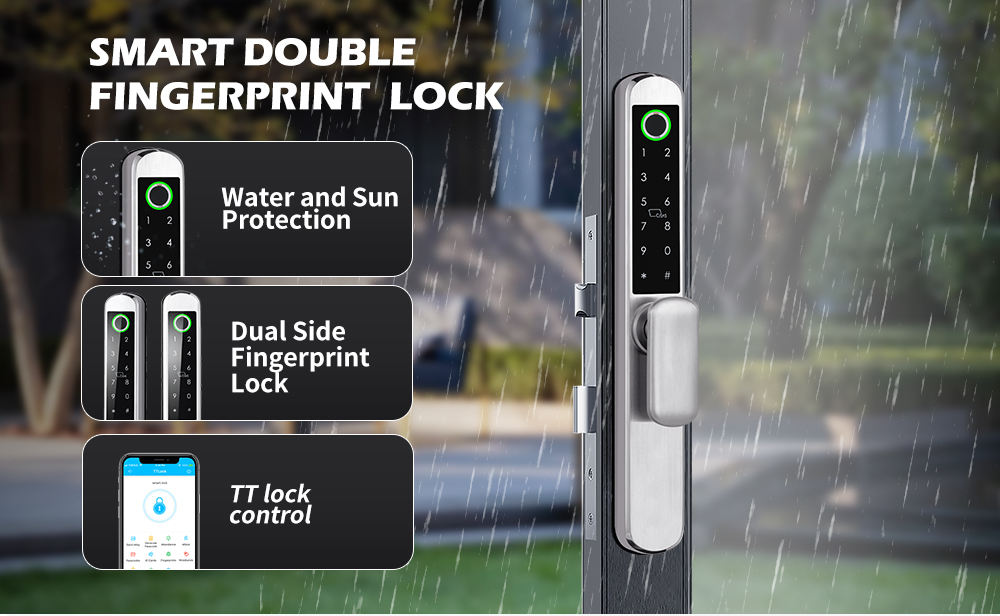 A waterproof smart lock rated IP65 or higher is the minimum standard recommended for outdoor use, coastal properties, gates, and humid environments. The right outdoor smart lock combines a sealed weatherproof housing, corrosion-resistant materials such as 304 stainless steel or zinc alloy, and smart
 -
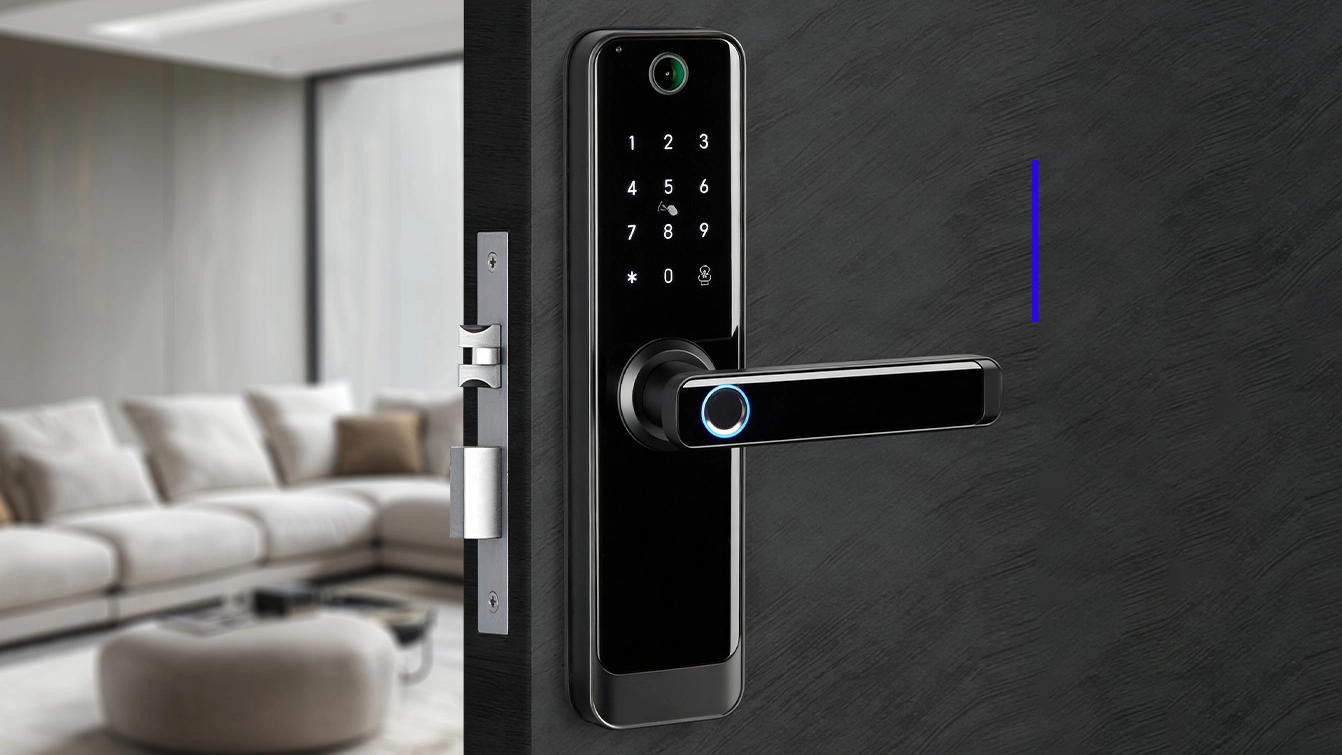 A Tuya smart lock connects over Wi-Fi and Bluetooth and plugs into the wider Tuya smart home ecosystem, making it ideal for connected homes and properties wanting remote control and automation. A TTLock smart lock runs on Bluetooth (with an optional gateway) and shines in apartments, r
 -
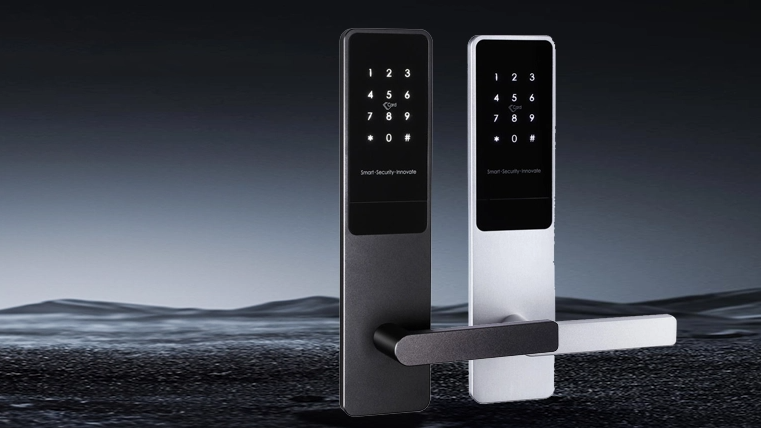 Pick the wrong lock technology for your property, and you'll feel it every day—at the front desk, in your maintenance budget, and in your guest reviews. A hotel that buys mobile-key locks without the network to support them ends up with frustrated guests. A property that sticks with key cards when g


